


What are the symptoms of herpes?

Herpes infection may present with symptoms including burning and stabbing pain in the skin, clustered vesicles, localized erythema, radicular neuropathic pain, and systemic symptoms such as fever and fatigue. Viral invasion of both the skin and nerves triggers a range of physical discomforts. If extensive vesicles, severe pain, or persistent high fever occur, prompt medical evaluation and treatment at a hospital are essential.
1. Burning and stabbing skin pain: During the early stage of infection, patients often experience an unusual sensation of burning or itching at the affected site, accompanied by heightened local skin sensitivity. This discomfort typically precedes the appearance of skin lesions and results from viral damage to local nerves—often overlooked and mistaken for ordinary skin irritation.
2. Clustered vesicles: Small, transparent vesicles appear on the skin surface in clusters, filled with clear fluid. These vesicles distribute along the course of affected nerves; as the disease progresses, they gradually become cloudy, and some may rupture, forming superficial erosions.
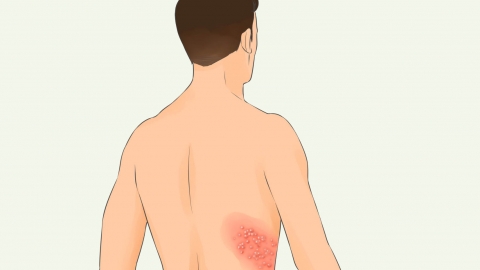
3. Localized erythema: Prior to vesicle formation, the corresponding skin area develops patchy erythema. The temperature of the erythematous region increases slightly, often accompanied by mild swelling. The erythema gradually expands, and vesicular lesions subsequently develop atop this erythematous base.
4. Radicular neuropathic pain: The virus invades peripheral nerve tissue, causing burning or sharp, stabbing pain. This pain may radiate along the distribution of the affected nerve. In some patients, pain persists even after the rash has resolved, significantly interfering with daily rest and activities.
5. Systemic fever and fatigue: As the virus replicates and disseminates within the body, some individuals develop elevated body temperature, generalized myalgia and fatigue, and decreased appetite. Those with compromised immunity tend to exhibit more pronounced systemic symptoms.
In daily care, keep the affected skin areas clean and dry, and avoid scratching or breaking open vesicles. Ensure adequate sleep, maintain a light diet, avoid staying up late or overexertion, and minimize intake of spicy or irritating foods to support faster recovery.


