


Can hair loss be cured completely?

Most types of hair loss cannot be completely cured; however, standardized interventions can effectively slow down hair shedding and promote hair regrowth. Some forms of hair loss can be well-controlled. Once hair follicles have been completely destroyed, they cannot regenerate new hair. If hair loss progressively worsens or is accompanied by scalp redness, swelling, or itching, prompt medical evaluation is essential to determine the underlying cause.
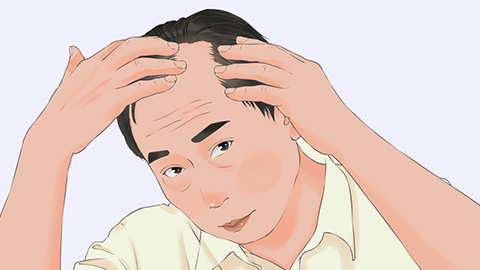
Hair loss is categorized into several types, including androgenetic alopecia, alopecia areata, and telogen effluvium. Androgenetic alopecia is associated with genetic predisposition and hormonal imbalances; over time, hair follicles gradually miniaturize, making complete reversal extremely difficult. Consistent intervention, however, can help preserve existing hair and delay progression toward thinning. Alopecia areata is often linked to immune dysfunction and emotional stress; spontaneous full recovery occurs in some cases. Telogen effluvium typically resolves gradually on its own once triggering factors are removed.
In clinical practice, treatment strategies are tailored according to the specific type of hair loss. For androgenetic alopecia, topical medications—often combined with oral agents to modulate hormone levels—are commonly used. Alopecia areata may be managed with localized treatments and immunomodulatory therapies. In areas where hair follicles have become completely atrophied or closed, hair transplantation may be considered to improve cosmetic appearance. Patients should avoid unproven folk remedies, as these may delay optimal intervention.
In daily life, minimize frequent hair perming and dyeing, avoid chronic sleep deprivation, maintain a balanced intake of protein and trace elements, reduce psychological stress, and practice proper scalp hygiene to support overall scalp health.


