


Is allergic purpura easy to treat?

Overall, the prognosis for Henoch-Schönlein purpura (HSP) is favorable. Cases limited to the skin (simple cutaneous type) are relatively easy to treat, whereas those involving organ damage require a longer recovery period. HSP carries a risk of recurrence; however, standardized treatment can effectively stabilize and control the disease. Recurrent skin petechiae accompanied by abdominal pain or joint pain warrant prompt medical evaluation and systematic treatment.
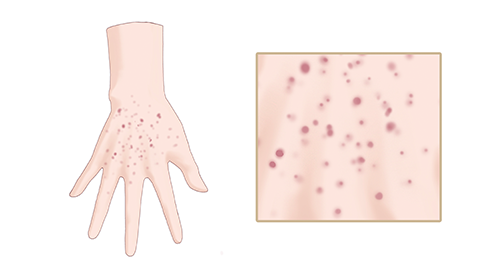
HSP is a systemic vasculitis primarily triggered by allergic reactions, infections, or immune dysregulation, leading to inflammation and damage of small blood vessels throughout the body. In mild cases, only the skin is involved, presenting as scattered purpuric macules or petechiae, which typically resolve gradually with short-term treatment. In more severe forms affecting the gastrointestinal tract, joints, or kidneys, the disease tends to be more refractory, with prolonged recovery and an increased likelihood of relapse.
Clinical management is tailored according to the organs involved. For mild cutaneous disease, treatment focuses on antiallergic and anti-inflammatory therapies, along with strict avoidance of known allergens. Patients presenting with abdominal pain or arthralgia/arthritis receive medications to alleviate vascular inflammation and protect organ function. Those with renal involvement require long-term monitoring of urinalysis and sustained anti-inflammatory therapy to minimize the risk of recurrence.
In daily life, patients should maintain a light, hygienic diet; avoid common allergens such as pollen and heterologous proteins; adhere to regular sleep-wake cycles; and engage in moderate physical exercise to enhance overall immunity and reduce the likelihood of disease recurrence.


