


What Are the Symptoms of Henoch-Schönlein Purpura?

Allergic purpura commonly presents with symptoms including cutaneous purpuric rash, joint swelling and pain, gastrointestinal abnormalities, renal involvement, and systemic manifestations such as fever and fatigue. As a systemic hypersensitivity reaction, it may damage multiple organs and tissues. Patients exhibiting extensive rashes, severe abdominal pain, or gross hematuria should seek prompt medical evaluation and treatment.
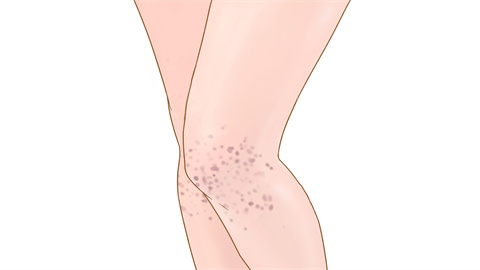
1. Cutaneous purpuric rash: Purplish-red petechiae and ecchymoses appear in batches on the extremities and buttocks; they do not blanch upon pressure. The lesions may be slightly raised above the skin surface and occasionally coalesce into larger patches. They are typically symmetrically distributed; mild pruritus may occur in some cases.
2. Joint swelling and pain: Large joints of the extremities commonly develop aching, swelling, and tenderness, with limited range of motion. Symptoms usually resolve spontaneously without causing joint deformity. These manifestations may occur before or after the onset of skin rash and are frequently misdiagnosed as infectious or inflammatory arthritis.
3. Gastrointestinal manifestations: Involvement of the gastrointestinal mucosa leads to nonspecific abdominal discomfort—ranging from dull, persistent pain to paroxysmal colicky pain. Nausea and vomiting may occur; in severe cases, melena or hematochezia may develop. Notably, the severity of abdominal pain does not necessarily correlate with the extent of cutaneous rash.
4. Renal involvement: Damage to small renal vessels results in microscopic or gross hematuria and proteinuria. Clinical signs may include changes in urine color (e.g., tea- or cola-colored urine) and periorbital or lower-limb edema. Renal injury may not become apparent until several weeks after disease onset, necessitating ongoing urinalysis monitoring.
5. Systemic symptoms—fever and fatigue: Some patients experience low-grade fever during the acute phase, accompanied by generalized malaise and myalgia. Appetite often declines, and individuals with compromised immunity may exhibit more pronounced systemic symptoms, significantly impairing daily functioning.
During the active phase of illness, patients should prioritize bed rest and avoid vigorous physical activity such as running or jumping. Potential allergens should be identified and avoided. A bland, easily digestible diet is recommended. Close observation of urinary output and skin changes is essential, along with regular follow-up testing of relevant laboratory parameters to support gradual recovery.


