


How should Henoch-Schönlein purpura (HSP) be treated?

HSP (Henoch-Schönlein purpura) treatment involves avoiding allergenic triggers, bed rest and recuperation, symptomatic drug therapy, anti-allergic immunomodulation, and kidney-targeted symptomatic management. Standardized treatment can effectively control vascular inflammation and alleviate disease progression. If persistent abdominal pain, extensive cutaneous purpura, or abnormal urine findings occur, prompt medical evaluation and treatment are essential.
1. Avoidance of Allergenic Triggers: Steer clear of common allergens such as pollen, dust mites, and heterologous proteins. Temporarily discontinue consumption of high-protein foods—including seafood and eggs—and minimize exposure to various irritants to prevent ongoing allergic reactions and disease exacerbation or recurrence.
2. Bed Rest and Recuperation: During the acute phase, ensure adequate bed rest and avoid walking, running, jumping, or other physical exertion. This reduces capillary pressure throughout the body, thereby alleviating cutaneous hemorrhage and joint swelling, and supporting the gradual restoration of normal physiological functions.
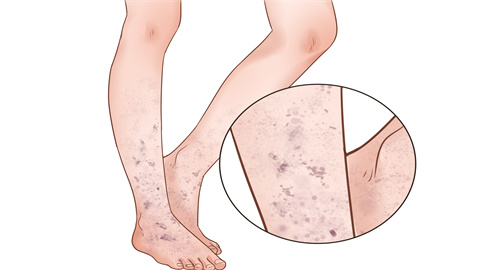
3. Symptomatic Drug Therapy: Select appropriate medications based on specific symptoms—such as abdominal pain or arthralgia—to relieve discomfort. These agents help mitigate localized inflammatory responses, reduce mucosal and vascular injury, and stabilize overall bodily function.
4. Anti-Allergic Immunomodulation: Administer suitable anti-allergic medications to suppress hypersensitivity reactions and systemic vasculitis. Such interventions also help regulate immune homeostasis, decrease abnormally elevated vascular permeability, and inhibit the emergence of new skin lesions.
5. Kidney-Targeted Symptomatic Treatment: When signs of renal involvement—such as proteinuria or hematuria—appear, initiate specialized renal protective therapy. This aims to preserve glomerular and renal microvascular integrity, slow the progression of renal damage, and prevent long-term complications associated with chronic kidney disease.
In daily life, maintain a bland, easily digestible diet and gradually resume light physical activity. Continuously monitor skin condition, urinary characteristics, and abdominal symptoms; undergo regular follow-up examinations and laboratory testing to consolidate therapeutic outcomes and prevent disease relapse.


