


What Are the Symptoms of Urticaria?

Urticaria (hives) manifests with symptoms including raised, itchy wheals on the skin, intense pruritus, localized erythema and swelling, angioedema, and systemic discomfort. Allergic reactions trigger dilation of small blood vessels in the skin and mucous membranes. If respiratory distress, throat tightness, dizziness, or palpitations occur, seek immediate medical attention.
1. Wheals: Raised, irregularly shaped plaques of varying sizes appear on the skin surface, typically pale red or whitish. Wheals develop rapidly and usually resolve spontaneously within several hours without leaving hyperpigmentation; however, new lesions may recur in successive waves.
2. Intense pruritus: Affected areas are accompanied by marked itching, severity of which varies among individuals. Scratching exacerbates the rash, expands lesion distribution, worsens cutaneous abnormalities, and interferes with normal rest and daily activities.
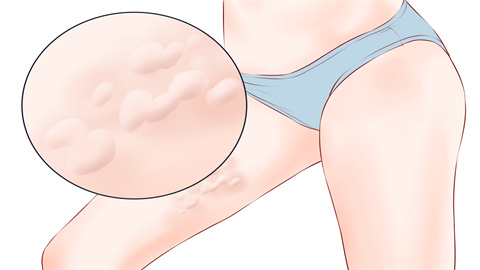
3. Localized erythema and swelling: Perilesional skin becomes erythematous and warm to touch due to increased blood flow. The extent of erythema and edema may expand along with wheal progression; adjacent lesions may coalesce into larger erythematous patches, eliciting discomfort upon palpation.
4. Angioedema: Swelling occurs in loose connective tissue areas such as the eyelids, lips, hands, and feet, with taut, shiny overlying skin. Resolution is relatively slow; severe cases may involve the respiratory mucosa, causing breathing difficulties—requiring close monitoring.
5. Systemic discomfort: In more severe cases, patients may experience low-grade fever, generalized fatigue, nausea, or mild abdominal pain. When allergic responses become systemic, overall physiological function may be compromised, potentially progressing to life-threatening conditions.
Avoid scratching affected areas. Apply cool, damp compresses to alleviate pruritus. Steer clear of known allergens, maintain a bland diet, ensure adequate rest, and minimize exposure to thermal extremes (e.g., hot or cold stimuli) to support gradual restoration of skin homeostasis.


