


What does a positive skin scratch test mean?

A positive skin scratch test indicates the presence of dermatographism, a type of physical urticaria. After mechanical stimulation—such as scratching or rubbing—the skin develops linear wheals, erythema, and pruritus. If widespread wheals, chest tightness, or dyspnea occur, prompt medical attention is required.
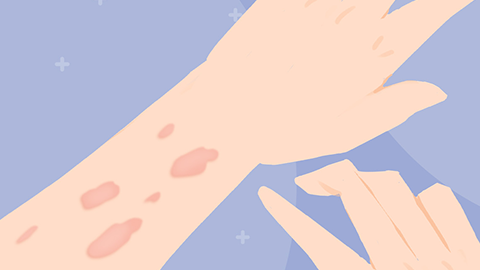
This result suggests heightened sensitivity of cutaneous mast cells. Mechanical stimulation (e.g., scratching) triggers histamine release, leading to localized edema and wheal formation. Most individuals experience only mild, transient pruritus and erythema, resolving spontaneously within several hours. However, some may suffer recurrent pruritus, with symptoms exacerbated by cold, heat, or friction—causing notable disruption to daily life.
Clinically, management focuses primarily on antiallergic therapy. For mild cases, minimizing mechanical irritation is often sufficient, and long-term medication is unnecessary. Patients with frequent pruritus may benefit from antihistamines to control symptoms. Daily precautions include avoiding scratching, minimizing contact with abrasive objects, and eliminating other potential triggers. Should generalized rash develop, further evaluation for underlying allergic conditions is warranted.
In daily life, reduce clothing friction, avoid vigorous scratching, use lukewarm water for bathing, maintain a bland diet, and minimize exposure to external stimuli known to exacerbate cutaneous hypersensitivity.


