


What should I do if I accidentally pop a pimple?

If a pimple is accidentally ruptured, the wound can be managed by maintaining local cleanliness, applying physical protection, using topical antibacterial agents, minimizing external contact, and adjusting diet and sleep habits. If symptoms such as expanding redness and swelling, increased pain, or pus discharge develop, prompt medical evaluation and treatment at a hospital are recommended.
1. Maintain Local Cleanliness: Gently absorb any exudate with a clean, sterile cotton swab—avoid repeated squeezing of the wound. Rinse the surrounding skin gently with mild, lukewarm water to remove residual debris and reduce the risk of bacterial contamination.
2. Apply Physical Protection: Keep the affected area shielded from dust and sweat. In daily life, cover the wound with a sterile, breathable dressing. Avoid applying heavy skincare products or makeup directly over the wound to minimize irritation from external substances.
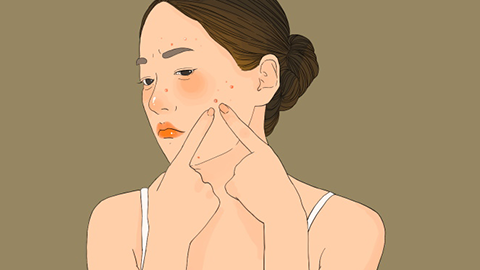
3. Apply Topical Antibacterial Agents: Select an appropriate topical antibacterial preparation and apply a thin layer to the broken skin using a cotton swab. Strictly adhere to the recommended frequency of application and monitor skin response; discontinue use immediately if stinging or burning occurs.
4. Minimize External Contact: Refrain from touching or picking at the affected area with your hands, which harbor abundant bacteria—frequent contact increases the risk of secondary infection. While sleeping, avoid facial friction against pillows to reduce mechanical irritation to the wound.
5. Adjust Diet and Sleep Habits: Limit intake of sugary and fried foods, and maintain regular, adequate sleep. A stable metabolic state supports skin wound healing and helps prevent new inflammatory acne lesions from forming at the site of injury.
During routine facial cleansing, use gentle motions and avoid vigorous rubbing over the wound. Increase consumption of vitamin-rich foods, keep the facial skin clean, and refrain from squeezing or picking other pimples on the face to minimize the risk of infection and scarring.


