


What Are the Symptoms of Papular Urticaria?

Urticarial papules (papular urticaria) manifest through various characteristics—including skin lesions, subjective sensations, distribution patterns, disease progression, and systemic reactions. If extensive rashes appear alongside symptoms such as fever or dizziness, prompt medical evaluation and treatment at a hospital are recommended.
1. Skin Lesions: The skin develops spindle-shaped, erythematous papules. Some papules may develop small vesicles at their apex. Lesions tend to be firm in consistency and vary in size; occasionally, individual papules coalesce into plaques, accompanied by localized erythema.
2. Subjective Sensations: Affected areas cause intense pruritus, which typically worsens at night or following exposure to heat. Scratching exacerbates swelling of the lesions and may easily rupture the epidermis, leading to erosion and crusting.
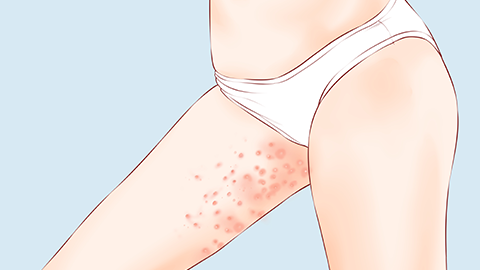
3. Distribution: Lesions predominantly occur on exposed or clothing-contact areas—such as the extensor surfaces of the limbs, waist, abdomen, and buttocks. Distribution is usually scattered rather than confluent; large, contiguous patches are uncommon. New lesions often emerge in successive waves.
4. Disease Course: Individual lesions require time to resolve, typically leaving behind post-inflammatory hyperpigmentation. New and old lesions may appear alternately. Repeated scratching prolongs recovery and increases the risk of secondary bacterial infection.
5. Systemic Reactions: Most patients experience only localized cutaneous discomfort. A minority may report mild systemic symptoms. In rare cases, vesicles may rupture and become secondarily infected locally; however, serious visceral involvement is extremely uncommon.
In daily life, avoid scratching affected areas. Keep fingernails trimmed short to minimize skin trauma. Implement environmental mite- and insect-control measures, regularly wash and replace bedding and clothing, and reduce exposure to insect bites—thereby facilitating faster skin recovery.


