


What are the side effects of Vitamin E cream?

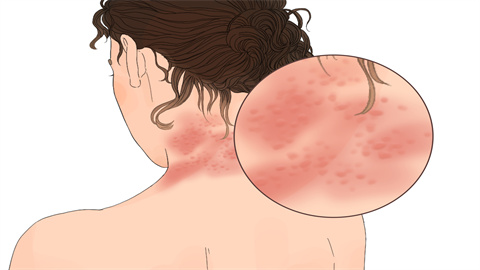
Using vitamin E cream may cause skin allergies, clogged pores due to excess oil, localized irritation, worsening of acne (especially “trapped” or “stifled” acne), and contact dermatitis. If you experience widespread redness and swelling, persistent itching, or peeling, seek medical attention promptly.
1. Skin Allergy: Some individuals are intolerant to certain ingredients in the product, leading to facial redness after application. People with compromised skin barriers are especially susceptible; discomfort may occur upon contact, necessitating immediate discontinuation of use.
2. Oil-Induced Pore Clogging: The product contains oily components. Frequent, thick application—particularly on oily skin—can cause excess oil to accumulate on the skin’s surface. This impedes normal pore respiration, disrupts sebaceous metabolism, and interferes with the skin’s natural excretory function.
3. Localized Irritation: Applying the product to broken or ulcerated skin may irritate the wound site. Ingredient-induced stimulation can cause burning or stinging sensations and delay wound healing.
4. Worsening of Acne: In individuals already experiencing active acne, excessive application increases the skin’s burden. Oil accumulation on acne lesions may exacerbate inflammatory lesions and prolong the recovery period.
5. Contact Dermatitis: With prolonged or repeated use, a small number of individuals may develop contact dermatitis, characterized by papules and scaling. Affected skin becomes rough, and continued exposure to the irritant prevents resolution of symptoms.
Before regular use, perform a patch test behind the ear to assess skin tolerance. Avoid applying directly onto broken or damaged skin. Use only the recommended amount—do not over-apply—and maintain balanced skin metabolism to minimize adverse reactions.


