


What should I do about excessive dandruff?

To improve excessive dandruff, consider adjusting your daily diet and sleep schedule, performing proper physical scalp cleansing, selecting suitable hair care products, regulating scalp health, and minimizing external irritants. If you develop widespread scalp redness, intense itching, or open sores, seek prompt medical evaluation and treatment at a hospital.
1. Adjust daily diet and sleep habits: Reduce intake of sweets and fried foods; maintain regular sleep patterns and avoid chronic sleep deprivation. Ensure balanced nutrition to support stable bodily metabolism and minimize abnormal sebum production that contributes to increased dandruff.
2. Perform proper physical scalp cleansing: Use lukewarm water—not excessively hot water—when washing your hair. Gently massage the scalp with your fingertips (not fingernails) to avoid damaging the scalp barrier, which could exacerbate dandruff formation.
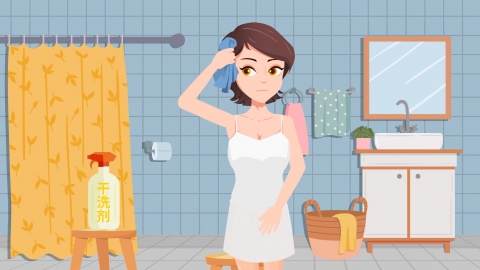
3. Choose appropriate hair care products: Select shampoos and conditioners suited to your scalp’s oiliness level. Consider anti-dandruff formulations specifically designed to address flaking. Avoid frequently switching shampoos, and thoroughly rinse hair after washing to prevent product residue buildup on the scalp.
4. Regulate scalp condition: Minimize frequent hair perming or dyeing, as chemical agents can damage the scalp’s surface layer. Avoid wearing tightly sealed hats for extended periods; ensure scalp ventilation and avoid hot, humid environments that may disrupt the scalp microbiome and trigger dandruff.
5. Reduce external irritants: Refrain from frequently scratching the scalp with your hands, as bacteria carried on the skin may disturb the scalp environment. Avoid prolonged periods of excessive stress, as mental tension can disrupt scalp metabolism and further aggravate dandruff.
When brushing your hair daily, use gentle strokes—avoid forcefully pulling or tugging on strands. Wash and air-dry pillowcases regularly to reduce dust mites and debris accumulation. Limit use of styling products to help maintain a dry, healthy scalp and alleviate recurrent dandruff.


