


Is melanoma serious?

Melanoma is a highly malignant skin tumor with an overall severe clinical course. Early-stage lesions pose relatively low risk, whereas advanced disease often involves widespread metastasis, threatening the patient’s life. Any sudden changes in the shape of a pigmented mole on the skin surface—such as ulceration or bleeding—warrant prompt medical evaluation and intervention.
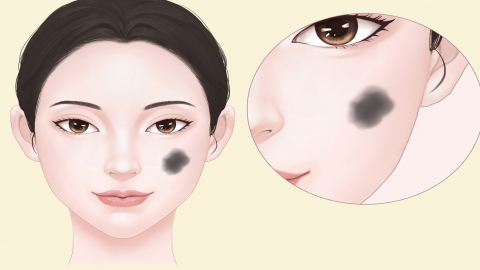
Melanoma originates from melanocytes in the skin and tends to grow and spread rapidly. In its earliest stage, it remains confined to the epidermis; timely intervention can effectively halt disease progression. As the lesion advances, tumor cells invade the underlying dermis and regional lymph nodes, eventually disseminating systemically to vital organs and impairing normal physiological functions. While most common moles do not undergo malignant transformation, chronic mechanical irritation (e.g., friction) and prolonged ultraviolet (UV) radiation exposure increase the risk of malignancy.
Surgical excision remains the primary treatment modality in clinical practice. Complete removal of the lesion at an early stage can prevent further progression. For intermediate- to advanced-stage disease, adjuvant therapies—including targeted therapy and immunotherapy—are employed to suppress tumor cell proliferation and control metastatic spread. Regular whole-body surveillance is essential to monitor for disease progression and reduce the likelihood of continued deterioration.
In daily life, individuals should avoid prolonged UV exposure, minimize friction or pressure on existing moles, maintain regular sleep patterns, support robust immune function, and consistently promote skin health to lower the risk of malignant transformation.


