


What Is Pierre Robin Syndrome?

Pierre Robin sequence (PRS) is a congenital developmental disorder in newborns, characterized primarily by micrognathia (underdeveloped lower jaw), glossoptosis (posterior displacement of the tongue), and upper airway obstruction—often accompanied by cleft palate. This condition impairs infants’ breathing and feeding; early intervention significantly improves prognosis. Newborns exhibiting labored breathing or feeding difficulties require prompt medical evaluation and treatment.
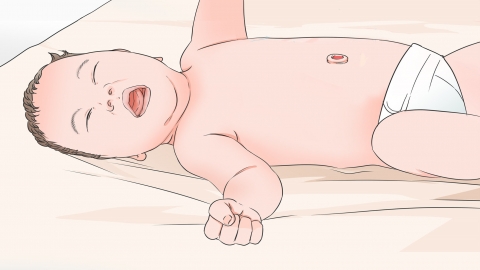
PRS typically arises from abnormal craniofacial development during embryogenesis; some cases are associated with genetic mutations or adverse prenatal environmental exposures. Craniofacial anomalies are evident at birth, and glossoptosis frequently obstructs the upper airway, leading to respiratory distress and sleep-related snoring. During feeding, affected infants often demonstrate weak suckling and recurrent choking or aspiration of milk. Prolonged feeding difficulties may result in inadequate nutritional intake, poor weight gain, and an increased risk of pulmonary infections.
Clinical management is tailored according to disease severity. Mild cases are managed conservatively—primarily through positional therapy and assisted feeding—to maintain airway patency and ensure adequate nutrition. Severe cases require surgical correction, such as mandibular distraction osteogenesis or tongue-lip adhesion, to relieve airway compression. Postoperative rehabilitation—including respiratory, feeding, and speech therapy—is essential to progressively restore normal respiratory function, feeding ability, and language development.
In daily care, infants should be positioned laterally to prevent glossoptosis-induced airway obstruction. Appropriately sized nipples should be used to facilitate feeding, and a “smaller, more frequent” feeding schedule is recommended. Meticulous nasal and oral hygiene should also be maintained to minimize the risks of aspiration and infection.


