


Can a newborn with hiccups be fed?

Do not feed a newborn immediately when they have hiccups. Hiccups result from spasms of the diaphragm; feeding during this time increases the risk of choking or spitting up milk. Instead, first apply soothing measures—such as gently patting the baby’s back—and wait until the hiccups subside before proceeding with feeding. If the baby experiences frequent hiccups accompanied by vomiting or rapid breathing, prompt medical evaluation is necessary.
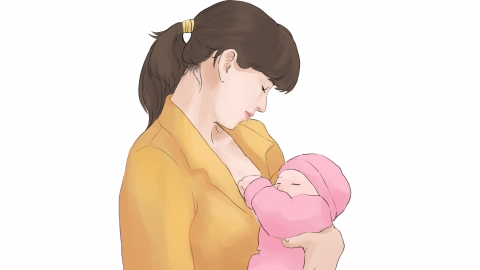
Newborns’ diaphragms are still immature, making them susceptible to hiccups triggered by cold exposure or swallowing excessive air during feeding. During hiccups, the muscles of the pharynx remain contracted; immediate feeding may cause milk to enter the airway inadvertently, raising the risk of choking or coughing. To alleviate hiccups, hold the baby upright and gently pat their back, offer a small amount of warm water, or gently stimulate crying—these actions can help relax the diaphragm.
In clinical nursing practice, it is recommended to resolve hiccups before feeding. However, if the baby shows clear signs of hunger while hiccuping, a small amount of milk may be administered slowly; the act of swallowing itself may help terminate the hiccups. This process must be closely monitored to prevent choking or aspiration. Additionally, burping the baby promptly after feeding helps expel trapped air and reduces the frequency of hiccups.
Routinely ensure the baby’s abdomen stays warm, regulate milk flow during feeding to avoid large-volume air ingestion, and hold the baby upright for a short period after feeding—rather than laying them down immediately—to minimize diaphragmatic stimulation and reduce recurrent hiccups.


