


How to Care for a Baby with a Fever

When a baby has a fever, home care can include maintaining adequate hydration, adjusting clothing and bedding, applying physical cooling measures, monitoring mental status, and using antipyretic medications appropriately. If persistent high fever or symptoms such as lethargy and excessive drowsiness occur, prompt medical evaluation at a hospital is recommended.
1. Maintain adequate hydration: Offer small, frequent sips of warm water or oral rehydration solution to replace lost fluids. Avoid giving large volumes of water at once, which may trigger vomiting. Monitor frequency and volume of urination to assess hydration status.
2. Adjust clothing and bedding: Loosen the baby’s clothing appropriately and avoid over-bundling with thick blankets. Ensure good indoor air circulation and maintain a comfortable room temperature to prevent overheating and facilitate heat dissipation.
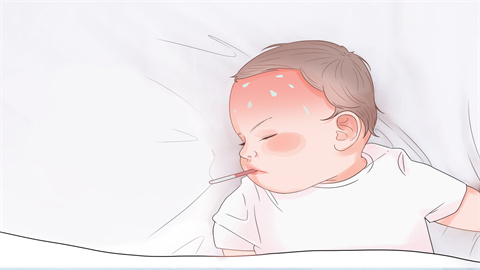
3. Apply physical cooling: When the baby’s temperature is elevated, gently wipe the forehead, neck, axillae (armpits), and groin areas with lukewarm water. Do not use alcohol for skin wiping, as it may be absorbed through the skin and cause adverse reactions.
4. Monitor mental status: Continuously observe the baby’s alertness, appetite, and playfulness. During fever, mental status is often more clinically significant than the actual temperature reading; any abnormal behavior warrants heightened vigilance, and temperature fluctuations should be recorded promptly.
5. Use antipyretic medications appropriately: Select antipyretics strictly according to the baby’s age and weight, and adhere precisely to dosing instructions. Do not combine multiple antipyretics arbitrarily. Even after medication administration, continue closely monitoring for any physiological responses.
During home care, provide the baby with a quiet, comfortable environment for rest and minimize vigorous activity. Offer light, easily digestible foods; do not force feeding. Closely monitor temperature fluctuations and seek professional medical evaluation promptly if abnormalities arise.


