


How Can a Child’s Immunity Be Enhanced?

To enhance a child’s immune system, parents can adopt several evidence-based strategies: ensuring a balanced and nutritious diet, guaranteeing adequate sleep, engaging in regular outdoor physical activity, adhering to the recommended vaccination schedule, and practicing proper hygiene and infection prevention. If a child experiences recurrent or frequent infections, delayed growth or development, or other concerning symptoms, prompt medical evaluation and treatment are advised.
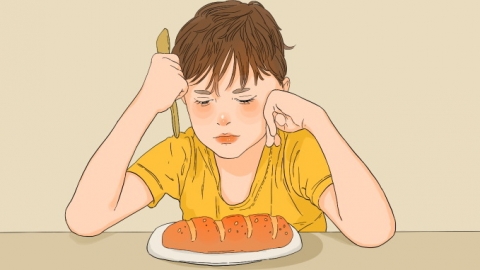
1. Balanced and Nutritious Diet: Incorporate a variety of food groups—including whole grains, lean proteins (e.g., meat, eggs), and fresh fruits and vegetables—into daily meals. Address picky eating or food aversions early. Sufficient intake of high-quality protein and essential vitamins supports healthy physical development and enables optimal maturation and function of the immune system.
2. Adequate Sleep: Ensure age-appropriate sleep duration and maintain a consistent sleep-wake schedule. During nighttime sleep, the body undergoes critical physiological repair and regeneration. Chronic sleep deprivation impairs the production and function of immune cells, thereby weakening overall disease resistance.
3. Regular Outdoor Physical Activity: Encourage children to spend time outdoors—especially in natural sunlight—when weather permits. Moderate running, playing, and active movement help strengthen physical fitness, improve metabolic health, and bolster the body’s natural defense mechanisms, leading to enhanced overall physical resilience.
4. Timely Vaccination: Follow the national immunization program to ensure all age-appropriate vaccines are administered on schedule. Vaccines stimulate the body to produce specific protective antibodies and immune memory, effectively preventing numerous infectious diseases and significantly reducing the risk of pathogen exposure and infection.
5. Hygiene and Infection Prevention: Teach children proper handwashing techniques and regularly clean toys and household items. Minimize visits to crowded, poorly ventilated indoor spaces to reduce opportunities for pathogen exposure and lower the likelihood of infection.
In daily life, avoid indiscriminately administering tonics or dietary supplements to children. Maintain good indoor air quality by frequently opening windows for ventilation. Dress children appropriately according to ambient temperature—neither over-bundling nor under-dressing—to prevent overheating or chilling. Cultivating a relaxed, supportive home environment also contributes positively to healthy physical development.


