


Do all of a child’s large teeth get replaced?

Most primary molars in a child’s mouth will naturally exfoliate and be replaced by permanent teeth; however, the first permanent molars—erupting around age six—will not be replaced later in life. The replacement of primary molars predominantly occurs during the school-age years, while permanent molars remain for life. If a child’s teeth exhibit discoloration (e.g., blackening), pain, or abnormal mobility, prompt dental evaluation and treatment are essential.
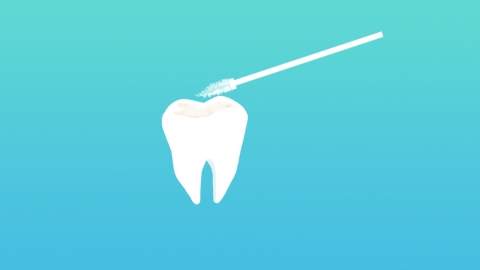
A child’s primary dentition includes multiple primary molars, which gradually shed and are replaced by permanent teeth during growth and development. Primary molars play a critical role in chewing and are used frequently in daily function, making them especially susceptible to dental caries and structural damage. Poor oral hygiene can lead to inflammation of primary teeth, potentially interfering with the development of underlying permanent tooth buds—resulting in malpositioned eruption or developmental defects of permanent teeth.
Routine dental examinations can distinguish between primary and permanent teeth. Carious primary molars require timely restorative treatment (e.g., fillings). In cases of severe inflammation, root canal therapy may be necessary to preserve the affected primary molar until its natural exfoliation time. Newly erupted permanent molars possess relatively thin enamel; therefore, pit-and-fissure sealants are recommended to create a protective barrier against bacteria and food debris, thereby reducing the risk of caries and promoting long-term health of permanent teeth.
Maintain consistent oral hygiene: brush teeth thoroughly twice daily (morning and night), clean interdental spaces after meals, and limit intake of sugary or sticky snacks. Regularly clean between teeth and cultivate lifelong habits of oral care to support optimal dental development and prevent various dental diseases.


