


Can childhood ADHD be cured completely?

Attention-deficit/hyperactivity disorder (ADHD) in children cannot be completely cured, as it is a chronic neurodevelopmental disorder. However, symptoms can be effectively managed through standardized interventions. In some children, symptoms gradually improve with age, allowing them to resume normal daily life and academic functioning. When a child exhibits hyperactivity, impulsivity, and poor attention that significantly interfere with learning and daily life, timely medical evaluation and intervention are essential.
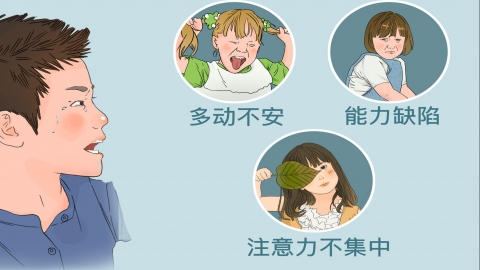
ADHD in children originates from atypical brain development and dysregulation of neural functions. It commonly emerges during the school-age years and is characterized primarily by inattention, excessive physical activity, and impulsive behavior. The condition does not resolve spontaneously with age; without appropriate intervention, it may persistently impair academic performance, social interactions, and behavioral habits. With consistent, evidence-based management, most children show progressive improvements in emotional regulation and sustained attention, enabling them to adapt successfully to the demands of daily life and schooling.
In clinical practice, a comprehensive, multimodal intervention approach is adopted for pediatric ADHD. For mild cases, behavioral training, psychological counseling, and parent education form the cornerstone of treatment. Children with more severe symptoms may benefit from pharmacotherapy aimed at modulating neural function and stabilizing behavior. Sustained, systematic intervention over time helps gradually correct maladaptive behaviors, enhance self-regulation, and reduce the broad-ranging adverse impacts of the disorder.
At home, caregivers should foster a calm, supportive, and consistent educational environment; maintain regular daily routines—including sleep, meals, and study schedules; incorporate targeted attention-training exercises and positive behavioral guidance; and actively cultivate self-discipline. These efforts collectively promote steady improvement in the child’s emotional regulation and impulse control.


