


How to Reduce Fever in Children

When a child has a fever and requires fever reduction, management strategies include replenishing body fluids, loosening clothing to promote heat dissipation, applying physical cooling measures, closely monitoring the child’s condition, and using antipyretic medications appropriately. If high fever persists despite intervention, or if symptoms such as lethargy or seizures occur, prompt medical evaluation and treatment at a hospital are strongly recommended.
1. Replenish Body Fluids: Encourage the child to drink small amounts of warm water frequently; oral rehydration salts may also be used. Fever accelerates fluid loss, and adequate hydration supports metabolic function and facilitates a natural decline in body temperature. Monitor urinary frequency and volume as indicators of hydration status.
2. Loosen Clothing for Heat Dissipation: Dress the child in light, breathable clothing and avoid heavy blankets or excessive covering intended to induce sweating. Ensure good indoor air circulation and maintain room temperature within a comfortable range to prevent excessive heat accumulation and support natural heat dissipation by the body.
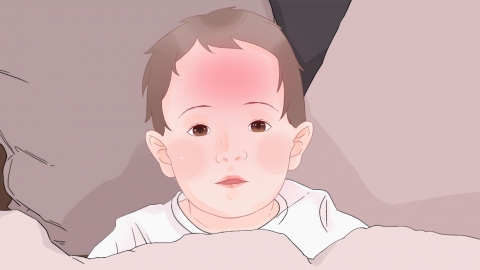
3. Apply Physical Cooling: Gently wipe the child’s forehead, neck, axillae (armpits), and groin with lukewarm water. Do not use alcohol rubs, as alcohol can be absorbed through the skin and may cause adverse effects.
4. Closely Monitor Clinical Status: Pay particular attention to the child’s alertness, appetite, and activity level. Mental status is often a more reliable indicator of illness severity than the absolute temperature reading. Regularly record temperature measurements and watch for new symptoms such as coughing, vomiting, or other signs of discomfort.
5. Use Antipyretic Medications Appropriately: Select an age- and weight-appropriate antipyretic agent and strictly adhere to dosing instructions provided in the product labeling. Avoid combining multiple antipyretics without medical guidance. Continue close observation of the child’s clinical response following medication administration.
During home care, provide the child with a quiet, restful environment and minimize vigorous physical activity. Offer bland, easily digestible foods, and avoid forcing food intake. Closely monitor temperature fluctuations and seek professional medical assistance promptly if any concerning signs or symptoms arise.


