


Can children eat peanuts when they have a fever?

During a child’s fever, a small amount of peanuts may be consumed, but excessive intake is not recommended. Peanuts are relatively high in fat, and gastrointestinal digestive function is weakened during fever; overconsumption may easily cause abdominal distension and indigestion. If a child experiences frequent vomiting or diarrhea alongside fever, prompt medical attention is required.
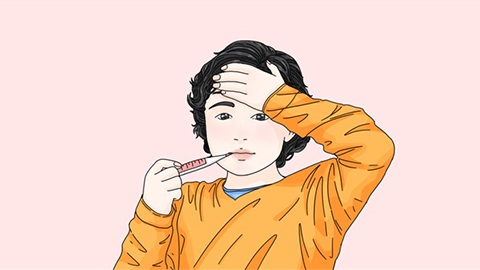
During fever, the body’s metabolic rate increases while gastrointestinal motility decreases. Peanuts contain substantial amounts of fat and protein, making them difficult to digest. Consuming large quantities places additional strain on the gastrointestinal tract, potentially leading to abdominal distension, belching, and reduced appetite. Moreover, if the child has sore throat or cough, whole peanuts pose a risk of choking or aspiration; therefore, they should be finely crushed before consumption.
In clinical nursing practice, dietary choices during fever should prioritize light, easily digestible foods—such as congee, soft noodles, and steamed egg. Peanuts may be offered only as a small supplementary food, never as a staple. Do not force-feed a child with poor appetite; instead, encourage frequent intake of warm water to ensure adequate hydration. If vomiting or abdominal distension occurs after eating peanuts, discontinue consumption immediately.
During fever, maintain a light diet, drink ample warm water, and ensure sufficient rest. Minimize intake of greasy or hard snacks, and opt for soft, easily digestible foods to reduce gastrointestinal burden and support faster recovery.


