


What Should You Do If Your Baby Is Vomiting and Has Diarrhea?

When a baby experiences vomiting and diarrhea, management strategies include proper rehydration, dietary adjustments, abdominal care, close monitoring of the baby’s condition, and appropriate use of medications. If symptoms such as frequent vomiting preventing oral intake, bloody stools, or fever occur, prompt medical evaluation and treatment at a hospital are recommended.
1. Ensure adequate rehydration: Administer oral rehydration salts (ORS) in small, frequent doses to replace lost fluids and electrolytes. Avoid giving large volumes of water at once, as this may trigger further vomiting. Monitor the frequency and volume of urination to assess hydration status.
2. Adjust the diet: Once vomiting subsides, offer bland, easily digestible foods while avoiding greasy, raw, or cold items. Do not force-feed the baby; instead, allow the gastrointestinal tract sufficient rest to reduce digestive burden and support recovery.
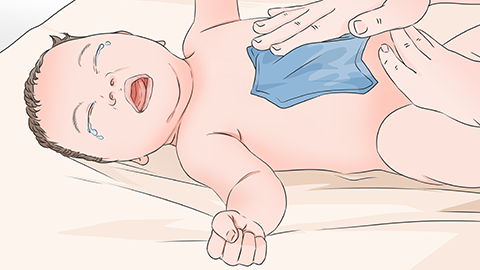
3. Provide abdominal care: Keep the baby’s abdomen warm to prevent exacerbation of gastrointestinal discomfort due to cold exposure. After each bowel movement, promptly clean the buttocks and keep the area dry to minimize irritation from stool, thereby reducing the risk of diaper rash or skin breakdown and inflammation.
4. Monitor the baby’s overall condition: Continuously observe the baby’s mental alertness and body temperature, and record the frequency and characteristics of vomiting and bowel movements. Lethargy or a marked decrease in urine output indicates worsening clinical status and warrants heightened vigilance and careful documentation.
5. Use medications appropriately: Select medications only under the guidance of qualified healthcare professionals—do not administer antidiarrheal agents indiscriminately. During treatment, closely monitor the baby’s response; discontinue the medication immediately if any adverse reactions occur.
Maintain a well-ventilated, comfortable home environment and provide emotional reassurance to the baby. Avoid unnecessary fasting; instead, gradually reintroduce food according to the baby’s tolerance. Change clothes frequently and maintain rigorous hygiene to minimize the risk of recurrent infection.


