


What Should You Do If You Develop Rheumatism?

Individuals diagnosed with rheumatic disease can adopt various interventions, including adjusting daily routines, protecting joints, engaging in regular moderate exercise, adhering to standardized drug therapy, and undergoing routine follow-up examinations. If severe joint swelling and pain, persistent fever, or fatigue occur, prompt medical consultation and treatment are recommended.
1. Adjust Daily Routines: Maintain a regular sleep-wake schedule and avoid excessive physical or mental fatigue. Consume a balanced diet rich in whole grains, high-quality protein, and fresh fruits and vegetables. Limit intake of spicy and stimulating foods. A nutritionally balanced diet helps sustain normal bodily functions and reduces the risk of disease flare-ups.
2. Protect Joints: Keep all joints warm and shield them from direct exposure to cold air or cold water. Avoid maintaining the same posture for prolonged periods and minimize heavy physical labor to reduce external stress on the joints and alleviate joint discomfort.
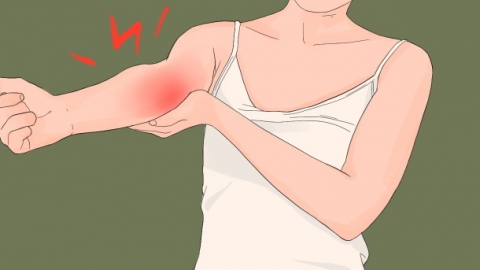
3. Engage in Moderate Exercise: Opt for gentle activities such as slow walking or gentle joint flexion and extension exercises. Avoid high-intensity, weight-bearing exercises. Regular physical activity helps preserve joint flexibility, prevents stiffness and deformity, and improves overall limb mobility.
4. Adhere to Standardized Drug Therapy: Follow healthcare professionals’ instructions strictly when taking prescribed medications. Do not adjust dosages or discontinue medications without medical guidance. Monitor your body’s response during treatment and promptly report any adverse effects; do not arbitrarily change your treatment plan.
5. Schedule Regular Follow-up Examinations: Attend scheduled follow-up visits and tests as directed by your physician to monitor relevant physiological indicators. These assessments help track disease progression and enable timely adjustments to the management plan, thereby minimizing recurrent disease-related damage.
Maintain a calm and stable emotional state in daily life—avoid prolonged periods of low mood or emotional suppression. Use lukewarm water for washing and bathing. Refrain from forcibly moving swollen or painful joints. Combine lifestyle modifications with medical management to help maintain relative physiological stability.


