


What are the clinical manifestations of gout?

The clinical manifestations of gout can be identified across several domains: acute arthritis attacks, intercritical periods, tophus formation, renal damage, and systemic associated symptoms. If you experience persistent joint redness, swelling, severe pain, oliguria (reduced urine output), or edema (swelling), seek prompt medical evaluation and treatment.
1. Acute Arthritis Attack: Onset typically occurs suddenly during the night or early morning. Affected joints rapidly develop erythema (redness), swelling, warmth, and intense pain. Pain is often excruciating and worsens with movement. The first metatarsophalangeal joint (big toe) is most commonly involved, though the ankle, knee, and other joints may also be affected.
2. Intercritical Period: After an acute attack subsides spontaneously, patients enter an asymptomatic intercritical phase. During this period, no obvious symptoms may be present; however, serum uric acid levels remain elevated. Inadequate management increases the risk of recurrent gout flares.
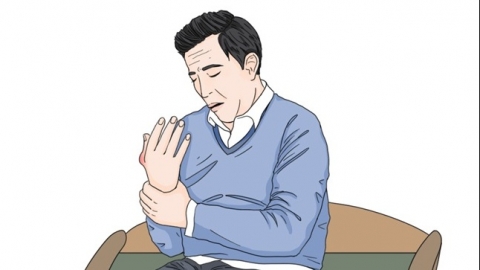
3. Tophus Formation: With prolonged uncontrolled disease, monosodium urate crystals deposit in subcutaneous tissues, forming visible nodules of varying sizes—commonly on the auricle (outer ear) and around joints. These tophi may ulcerate and discharge a white, chalky, crystalline material.
4. Renal Damage: Urate crystal deposition within the kidneys can lead to nephrolithiasis (kidney stones) and direct renal parenchymal injury. Symptoms may include low-back discomfort, hematuria (blood in urine), and progressive impairment of urinary function, imposing multifaceted burdens on overall health.
5. Systemic Associated Manifestations: During acute flares, some patients develop fever and generalized fatigue. Long-standing gout is frequently associated with comorbid metabolic disorders—including hyperlipidemia and hypertension—necessitating comprehensive monitoring of multiple physiological parameters.
In daily life, pay close attention to any unusual changes in your joints. Limit intake of high-purine foods, maintain consistent hydration, avoid staying up late or excessive alcohol consumption, manage body weight appropriately, and promptly document any joint discomfort—this information will aid clinicians in making accurate assessments during medical visits.


