


Can patients with gout drink alcohol?

Patients with gout must avoid alcohol entirely, as all types of alcoholic beverages elevate serum uric acid levels and significantly increase the risk of acute gout attacks. Beer poses the highest risk; however, both white (distilled) and red wine also exacerbate the condition. Sudden onset of joint redness, swelling, warmth, and severe pain—especially when unrelieved by routine measures—requires prompt medical attention.
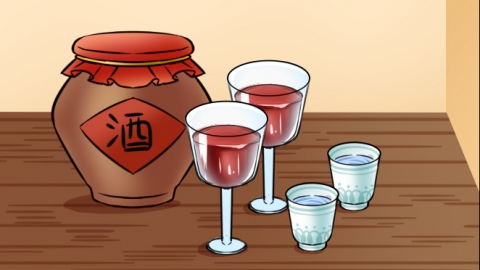
Alcohol impairs renal excretion of uric acid, leading to its accumulation in the body and triggering joint inflammation. Beer is particularly hazardous due to its high purine content. Although white and red wines contain relatively low levels of purines, their alcohol metabolites similarly inhibit uric acid excretion. Even minimal alcohol consumption can disrupt uric acid homeostasis, resulting in recurrent joint swelling and pain and placing additional strain on renal metabolism.
Clinically, individuals with gout are advised to completely abstain from all alcoholic beverages—no exceptions, including “moderate” or “occasional” drinking. Daily intake of ample plain water helps promote uric acid excretion. Pharmacological management should be used concurrently to maintain optimal serum uric acid levels. Medicinal wines must never substitute evidence-based treatment, as they may further damage the liver and kidneys. During acute flares, strict avoidance of high-purine foods is essential; even during remission, adherence to a healthy, balanced diet remains critical.
Maintain adequate daily hydration, limit intake of high-fat and high-sugar foods, and engage in regular, moderate physical activity to manage body weight. Avoid sugary beverages and rich broths—both known to elevate uric acid—and minimize exposure to all other gout triggers.


