


Can patients with gout drink soy milk?

Patients with gout may consume soy milk in moderation. Soy milk is classified as a medium-purine beverage and is not strictly prohibited. Although the purine content is reduced during processing, excessive consumption can increase the metabolic burden on uric acid. If sudden redness, swelling, heat, and pain occur in the joints—or if gout attacks become frequent—prompt medical consultation is essential to adjust the treatment plan.
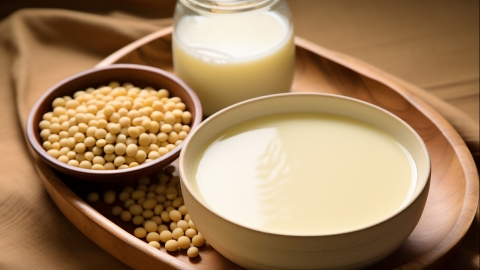
While soybeans themselves contain relatively high levels of purines, the purine concentration is significantly diluted when soy milk is prepared by adding substantial amounts of water. Consuming small amounts of soy milk regularly has minimal impact on serum uric acid levels. During acute gout flares, it is advisable to temporarily reduce or avoid soy milk intake. In periods of disease stability, soy milk may be consumed intermittently, with strict control over the amount per serving. Soy milk should not be treated as a daily high-volume beverage, nor should it be consumed alongside large quantities of other soy products.
In clinical dietary management, patients with stable gout may include soy milk as part of their regular diet and need not completely avoid legumes. Drinking ample plain water daily supports uric acid excretion. Dietary modifications alone cannot replace pharmacological therapy; uric acid levels must be managed under medical supervision and according to prescribed treatment plans. Avoid consuming highly concentrated soy milk, as elevated concentration increases total purine intake.
Maintain consistent daily hydration, minimize intake of high-fructose beverages and alcohol, balance your diet with vegetables, fruits, and lean meats, maintain a healthy body weight, and engage in moderate, low-impact physical activity to reduce potential triggers of gout flares.


