


What Are the Symptoms of Bronchopneumonia in Children?

Common symptoms of bronchopneumonia in children include cough with sputum production, fever and chills, abnormal breathing, lethargy or irritability, and gastrointestinal disturbances. If persistent high fever or rapid, labored breathing occurs, prompt medical evaluation and treatment at a hospital are strongly recommended.
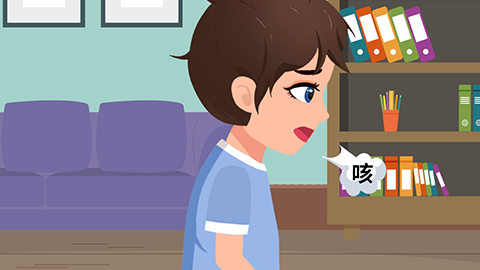
1. Cough and sputum production: In the early stage, the cough is typically dry; as the disease progresses, sputum gradually develops. Due to the relatively narrow airways in children, sputum clearance is difficult, leading to frequent coughing—especially noticeable at night and upon waking in the morning.
2. Fever and chills: Most affected children develop elevated body temperature, ranging from low-grade to persistent high fever. Chills and shivering commonly accompany the fever, which may fluctuate repeatedly. Prolonged fever depletes physical energy and exacerbates general discomfort.
3. Abnormal respiration: Airway inflammation causes narrowing, resulting in increased respiratory rate and wheezing. In severe cases, nasal flaring and exaggerated chest movement may occur—even at rest, abnormal breathing patterns remain readily observable.
4. Lethargy or irritability: As overall physiological function declines, affected children often become excessively sleepy or irritable. Interest in play diminishes, activity levels decrease, and general mental alertness wanes. With worsening illness, profound lethargy or even stupor may develop.
5. Gastrointestinal disturbances: The illness impairs gastrointestinal motility, frequently causing decreased appetite, nausea, and vomiting. Some children may also experience abdominal distension and loose stools, leading to markedly reduced food intake and consequent nutritional deficits.
In daily care, ensure adequate indoor ventilation and maintain appropriate temperature and humidity levels. Encourage frequent intake of warm water, provide small, frequent, nutrient-rich meals, ensure sufficient rest, and minimize outdoor exposure to wind—thereby supporting gradual recovery of respiratory health.


