


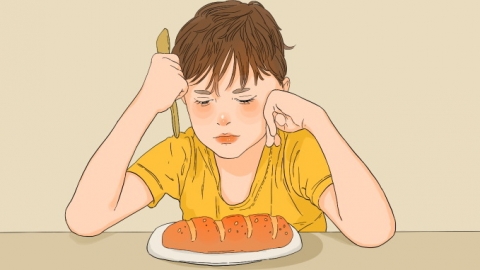
What should I do if my child has gastric bloating and refuses to eat?

When a child experiences gastric bloating and loss of appetite, improvements can be achieved through adjustments to daily diet, abdominal physical care, moderate physical activity, appropriate use of digestive-regulating medications, and establishing regular feeding schedules. If symptoms such as frequent vomiting or prolonged loss of appetite occur, prompt medical consultation and treatment at a hospital are recommended.
1. Adjust Daily Diet: Reduce intake of greasy, overly sweet, and hard-to-digest foods. Instead, prepare soft, easily digestible staple foods and mild vegetables. Control portion sizes per meal to avoid overeating; opt for smaller, more frequent meals to alleviate gastrointestinal digestive burden and minimize gas accumulation.
2. Perform Abdominal Physical Care: While the child is lying supine, gently massage the abdomen in a clockwise direction to promote intestinal motility and facilitate gas expulsion. After meals, avoid letting the child lie flat immediately; instead, allow them to rest quietly for a short while to relieve abdominal distension and discomfort.
3. Increase Moderate Physical Activity: Half an hour after meals, guide the child in light walking or simple limb movements. Gentle exercise stimulates gastrointestinal function, accelerates the expulsion of trapped intestinal gas, alleviates food stagnation, and gradually restores normal appetite.
4. Use Digestive-Regulating Medications Appropriately: Administer spleen-strengthening, digestion-promoting, and intestinal-regulating medications only under professional guidance. Dosage must be carefully adjusted according to the child’s age. Avoid indiscriminate administration of health supplements; rely on medication—under medical supervision—to help restore healthy gut microbiota and improve digestive function.
5. Establish Regular Feeding Schedules: Maintain fixed times for three main meals and any snacks each day. Eliminate frequent snacking and nighttime feedings. A consistent eating rhythm helps train the gastrointestinal tract to function regularly, preventing chronic overburdening that may lead to bloating and anorexia.
In daily life, foster a relaxed and pleasant mealtime atmosphere—never force the child to eat. Ensure adequate abdominal warmth to prevent cold exposure, and limit consumption of raw or cold foods. Long-term adherence to standardized dietary habits and routines helps stabilize and strengthen gastrointestinal digestive function.


