


What Are the Symptoms of Epilepsy in Children?

Children with epilepsy may exhibit symptoms across several domains, including generalized convulsive seizures, absence seizures with altered consciousness, focal limb abnormalities, psychiatric or behavioral disturbances, and delayed developmental milestones. If prolonged convulsions or prolonged impairment of consciousness occurs, prompt medical evaluation and treatment at a hospital are strongly recommended.
1. Generalized Convulsive Seizures: During a seizure, rhythmic jerking movements occur in all four limbs, accompanied by muscle rigidity and stiffness throughout the body. Some children may experience jaw clenching and cyanosis (bluish discoloration) of the lips. Following the seizure, they typically enter a state of profound fatigue and drowsiness, requiring considerable time to return to baseline functioning.
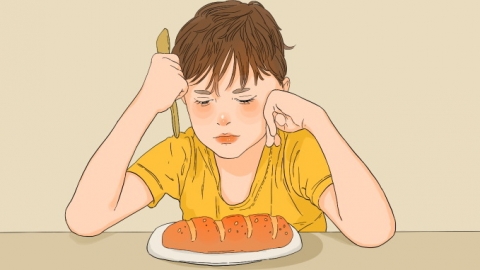
2. Absence Seizures with Altered Consciousness: The child suddenly exhibits a blank stare and fails to respond to external stimuli or verbal calls. Ongoing activities—such as playing or eating—are abruptly interrupted. These episodes usually last only a few seconds before consciousness rapidly returns.
3. Focal Limb Abnormalities: Involuntary twitching affects only one side of the body—such as a single hand, foot, or part of the face—while consciousness remains intact. The affected area may exhibit repetitive, rhythmic shaking; this activity may remain localized or gradually spread to other parts of the body. Duration varies significantly from episode to episode.
4. Psychiatric or Behavioral Disturbances: During seizures, children may perform purposeless, repetitive movements—for example, lip-smacking or fumbling with clothing. Sudden emotional lability may occur, manifesting as unexplained crying or irritability. Most children have no memory of these events afterward.
5. Developmental Delay: Recurrent, uncontrolled seizures over time can interfere with normal brain development. Affected children often show slowed progress in language acquisition and motor skill development, reduced learning capacity and comprehension, and—in some cases—difficulty sustaining attention.
Parents should closely observe their child’s behavior and meticulously document seizure timing and characteristics. Creating a calm, stable home environment—avoiding strong light and loud noises, ensuring adequate sleep, and minimizing known seizure triggers—can help maintain the child’s physiological stability.


