


Will gua sha reduce fever in children?

Scraping therapy (Gua Sha) cannot truly reduce fever; it only provides a brief sensation of warmth on the skin and does not lower the body’s core temperature. Children’s skin is delicate, making them more susceptible to skin injury from Gua Sha. If a child experiences persistent high fever, lethargy, or seizures, prompt medical attention is essential.
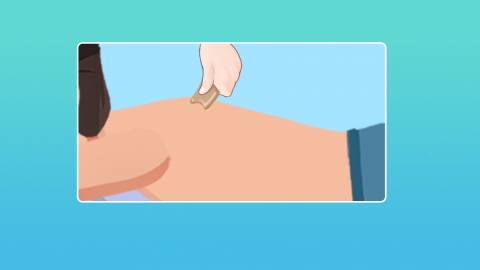
Gua Sha is a traditional physical therapy. Although the skin may appear reddened and feel warm after treatment—creating a false impression of cooling—the body’s internal temperature remains unchanged. Due to children’s thin epidermal stratum corneum, improper pressure during Gua Sha can easily cause subcutaneous bruising or skin abrasions, further increasing discomfort. Fever results from the body’s inflammatory response; Gua Sha cannot address the underlying cause of the fever.
In clinical practice, managing childhood fever prioritizes appropriate hydration, loosening clothing, and adjusting room temperature. When fever is high and the child is clearly uncomfortable, age-appropriate antipyretic medications may be used. Avoid relying on methods such as Gua Sha or alcohol rubs for fever reduction, as these may cause additional harm. Closely monitor the child’s mental status to help identify the true underlying cause of the fever.
Encourage the child to drink plenty of warm water, wear loose, breathable clothing, and get adequate rest. Minimize unnecessary physical stimulation, monitor temperature regularly, and pay particular attention to the child’s alertness, appetite, and sleep patterns.


