


Will my baby develop jaundice later if they didn’t have it at birth?

Even if a newborn shows no signs of jaundice at birth, jaundice may still develop later. Neonatal jaundice is categorized as either physiological or pathological; some cases only become apparent several days after birth. If your baby’s skin or sclera (whites of the eyes) turn yellow, or if stool color becomes noticeably lighter, seek medical evaluation promptly.
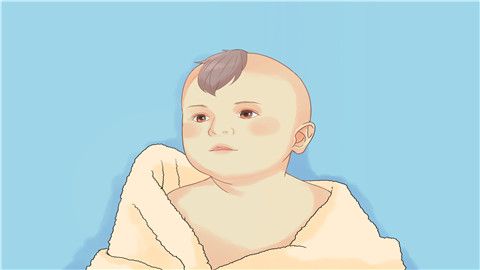
Physiological jaundice typically begins on days 2–3 after birth; however, some infants initially appear normal in skin tone and gradually develop yellowing afterward. This type is commonly linked to characteristic patterns of bilirubin metabolism, tends to be mild in severity, and usually resolves spontaneously over time. In contrast, pathological jaundice may result from underlying conditions such as infection, hemolysis, or biliary tract abnormalities. Unlike physiological jaundice, it may not appear until later in the neonatal period—and tends to progressively worsen.
Clinically, differentiation between physiological and pathological jaundice relies on evaluating the timing of onset, the intensity of yellow discoloration, and changes in stool and urine characteristics. For physiological jaundice, increasing feeding frequency—especially breastfeeding—to promote bowel movements is often sufficient. However, if jaundice appears late, presents with deep yellow discoloration, and is accompanied by poor feeding or lethargy, serum bilirubin testing should be performed promptly to identify the underlying cause and guide targeted intervention.
Maintain frequent breastfeeding to encourage adequate intake and regular stool passage. Routinely monitor your baby’s skin and scleral color, observe changes in stool and urine hue, and assess overall feeding behavior and sleep patterns.


