


What Should You Do If Your Baby Has Otitis Media?

Acute otitis media in infants can be managed through daily care, localized physical interventions, standardized medication use, adjustment of feeding habits, and close monitoring of symptoms. If symptoms such as purulent or bloody ear discharge or persistent high fever occur, prompt medical evaluation and treatment at a hospital are recommended.
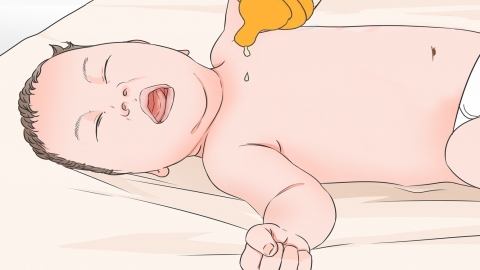
1. Daily Care: Keep the external auditory canal dry and clean; do not attempt to clean the infant’s ear canal yourself. Minimize crying episodes, and avoid having the infant lie flat during feeding or crying to prevent tears or milk from entering the ear canal. This reduces external irritation to the ear canal and alleviates ear discomfort.
2. Localized Physical Interventions: Apply warm compresses to the affected ear when pain is prominent to relieve local fullness and discomfort. Take precautions during bathing or hair washing to prevent contaminated water from entering the ear canal. If water does enter, gently wipe only the outer ear—never insert anything into the ear canal.
3. Standardized Medication Use: Administer topical ear drops or oral medications strictly as directed by qualified healthcare professionals. Adhere closely to prescribed treatment duration—do not discontinue medications prematurely. Monitor the infant’s response throughout therapy to control inflammation within the ear canal.
4. Adjustment of Feeding Habits: Elevate the infant’s upper body during feeding; avoid supine bottle-feeding. This helps prevent milk from refluxing through the Eustachian tube into the middle ear, thereby reducing bacterial entry and minimizing recurrent triggers of otitis.
5. Symptom Monitoring: Observe changes in the infant’s behavior—such as ear pulling or frequent nighttime crying—and monitor temperature trends and characteristics of ear discharge. Early recognition of symptom progression enables timely intervention and prevents worsening inflammation.
In daily life, strive to minimize recurrent colds in the infant, as upper respiratory infections often trigger otitis media. Maintain optimal indoor humidity, avoid exposure to secondhand smoke, provide consistent emotional reassurance, and support comprehensive management to facilitate gradual resolution of ear inflammation.


