


How to Manage Chickenpox in Children

Chickenpox in children can be managed through daily isolation and protective measures, physical skin care, body temperature regulation, standardized medication use, and close monitoring of disease progression. If persistent high fever or widespread pustular lesions occur, prompt medical evaluation and treatment at a hospital are recommended.
1. Implement daily isolation and protective measures: Limit the child’s outdoor activities and avoid contact with healthy individuals. Ensure regular ventilation of living spaces, and frequently change undergarments and bed linens to reduce viral transmission. Maintain isolation until all lesions have fully crusted over.
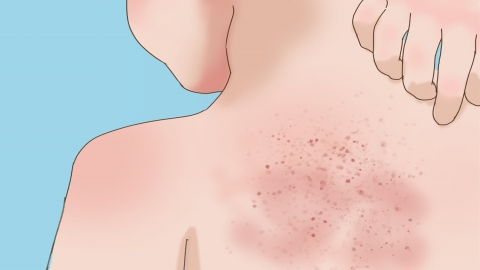
2. Provide physical skin care: Keep the skin clean and dry, and trim the child’s fingernails to minimize scratching. Scratching may rupture vesicles, increasing the risk of secondary infection and leaving permanent skin marks; thus, reducing scratching helps prevent skin damage.
3. Regulate body temperature: Fever commonly accompanies chickenpox. Encourage frequent intake of warm water to support metabolic clearance. For elevated temperatures, use tepid sponging and reduce clothing layers to facilitate heat dissipation and ensure a smoother course through the febrile phase.
4. Administer medications appropriately: Use antipruritic and antiviral medications only as directed by qualified healthcare professionals. Strictly adhere to prescribed dosages and avoid applying irritating topical agents without guidance, to alleviate itching, suppress viral replication, and reduce overall discomfort.
5. Monitor disease progression closely: Observe changes in the appearance and distribution of lesions, and regularly monitor body temperature, mental status, and appetite. Document signs such as erythema, swelling, or purulent discharge from lesions, and assess the child’s alertness and behavior to promptly detect clinical deterioration and prevent complications.
For daily nutrition, choose light, easily digestible foods and increase intake of fresh fruits and vegetables. Avoid spicy, heat-inducing foods; refrain from contact with other ill individuals; and maintain thorough household hygiene to support gradual recovery.


