


Does a child’s dislike of eating indicate a developmental problem?

A child’s lack of appetite does not necessarily indicate developmental problems; in many cases, it is related to feeding habits or gastrointestinal status. Only when a child consistently eats too little—accompanied by stagnation in height and weight gain—should developmental abnormalities be suspected. If a child’s weight continues to decline and they appear lethargy, prompt medical evaluation is essential to rule out underlying health issues.
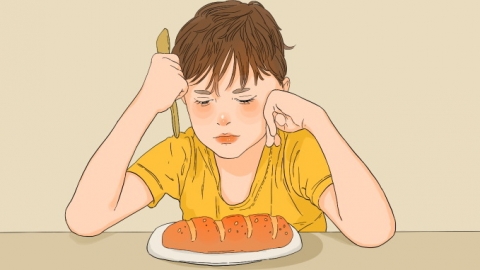
During early childhood, the gastrointestinal tract has limited capacity. Excessive snacking, a tense or stressful mealtime atmosphere, and monotonous food flavors can all diminish a child’s willingness to eat. Such cases represent behavioral anorexia—there is no organic disease affecting bodily organs, and the child’s energy level and mental alertness typically remain normal. Adjusting feeding practices usually leads to improved appetite. Some children may temporarily refuse main meals due to discomfort associated with teething.
Pathological factors can also cause decreased appetite, including micronutrient deficiencies, impaired spleen-stomach digestive function, or chronic illness—all of which suppress hunger drive. Clinically, physicians assess growth curves for height and weight alongside physical examination. For suboptimal digestive function, gastrointestinal regulation is recommended; for micronutrient deficiencies, targeted supplementation is provided to help restore normal appetite.
Limit the quantity of snacks offered, diversify ingredients across the three daily meals, and maintain consistent mealtimes. Foster a relaxed, positive dining environment—avoid pressuring or lecturing the child during meals—to encourage intrinsic motivation to eat.


