


Can bronchitis in babies be cured?

Acute bronchitis in infants is fully curable and is a common respiratory tract infection among young children. With standardized care and appropriate treatment, most affected infants recover completely without developing long-term pulmonary complications. However, if an infant’s cough and wheezing progressively worsen or breathing becomes rapid and labored, prompt medical evaluation and targeted treatment are essential.
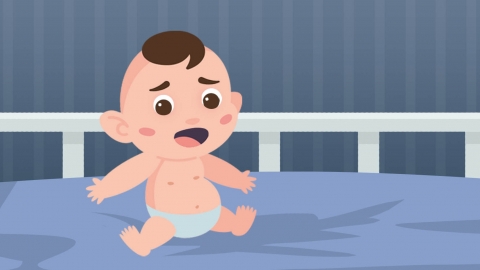
Childhood bronchitis is commonly caused by viral or bacterial invasion of the respiratory tract, manifesting as cough, sputum production, and mild wheezing. Infants’ respiratory mucosa is delicate and their immune defenses immature; thus, factors such as seasonal temperature changes, exposure to cold, or cross-infection may trigger the illness. Most cases of uncomplicated bronchitis have a short clinical course, with gradual repair of airway damage—without progression to chronic respiratory conditions. Therefore, parents need not be unduly anxious.
In clinical practice, treatment is tailored according to the causative pathogen. For viral infections, management focuses on symptomatic relief—including antitussive and expectorant therapy, and nebulization to ease airway discomfort. Bacterial infections require adjunctive antimicrobial therapy to control inflammation. During treatment, maintaining airway patency and assisting the infant in effective sputum clearance are critical to prevent worsening cough and wheezing due to mucus retention. Completing the full prescribed treatment course ensures complete eradication of the infection and restoration of normal respiratory function.
In daily life, ensure adequate indoor ventilation and maintain optimal temperature and humidity levels. Encourage frequent intake of warm water, ensure sufficient sleep and rest, and provide light, easily digestible meals to reduce metabolic burden—thereby supporting rapid repair of the respiratory mucosa.


