


Do all newborns develop jaundice?

Not all newborns develop jaundice. Most infants experience physiological jaundice, while a small number remain entirely free of visible skin yellowing throughout the neonatal period. Jaundice is associated with hepatic metabolism and red blood cell breakdown. If an infant’s skin yellowing rapidly worsens or feeding responsiveness declines, prompt medical evaluation—including serum bilirubin testing—is essential.
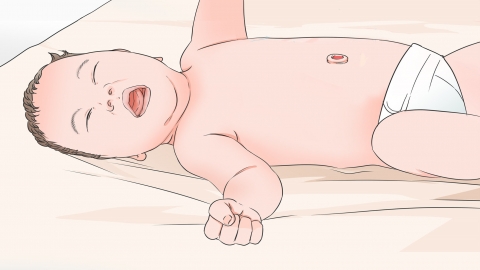
Newborns have a relatively high red blood cell count; when these cells break down, they generate bilirubin. However, their immature livers are not yet fully capable of processing and excreting bilirubin efficiently, leading to visible skin yellowing. Physiological jaundice occurs more frequently in full-term infants and even more commonly in preterm infants. Conversely, some newborns possess more efficient hepatic function, maintaining bilirubin levels within the normal range and thus showing no clinically apparent jaundice.
Visible jaundice indicates that bilirubin levels have risen above a certain threshold—but the absence of visible yellowing does not necessarily imply abnormal metabolism. Physiological jaundice typically resolves spontaneously with enhanced feeding, which promotes bilirubin excretion via stool. In contrast, pathological jaundice requires timely intervention, including phototherapy (blue-light treatment) and management of the underlying condition, to prevent harm from severe hyperbilirubinemia.
Ensure adequate daily feeding to maintain sufficient milk intake and increase stool frequency. Closely monitor color changes in the sclera (whites of the eyes), cheeks, and trunk skin, and observe the newborn’s sleep patterns and feeding behavior—these measures help safeguard healthy metabolic function during this critical period.


