


What are the clinical manifestations of infantile enteritis?

Clinical manifestations of infantile enteritis include changes in stool characteristics, abdominal pain or discomfort, abnormal fluctuations in body temperature, decreased appetite, and alterations in overall physical condition. If symptoms such as frequent watery diarrhea or a marked reduction in urine output occur, prompt medical evaluation and treatment at a hospital are recommended.
1. Changes in stool characteristics: Increased frequency of bowel movements; stools become loose, watery, or mushy. Some stools may contain mucus, and occasionally small amounts of blood may be visible. Bowel movement patterns become irregular, and stool odor may change abnormally.
2. Abdominal pain or discomfort: Intestinal mucosal inflammation stimulates accelerated intestinal motility. Since infants cannot verbally express their discomfort, they may exhibit paroxysmal crying, draw up their legs, and appear restless or curled up. The abdomen may feel distended upon palpation, and crying often intensifies before or after defecation.
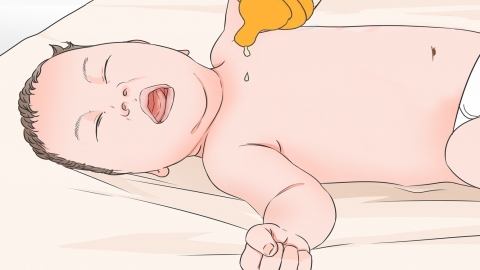
3. Abnormal fluctuations in body temperature: Some infants develop low-grade fever; with more severe infection, fever may rise higher. Fever tends to recur and fluctuate, leading to progressive energy depletion. Infants may feel warm to the touch, and the degree of fever varies depending on the causative pathogen.
4. Decreased appetite: Gastrointestinal discomfort suppresses feeding desire, resulting in reduced milk intake compared with usual. Infants may become easily distracted or resist feeding; some may also experience spitting up or nausea. Inadequate nutrient intake gradually depletes physical energy reserves.
5. Changes in general physical condition: With mild illness, infants may remain relatively alert; however, prolonged diarrhea leads to lethargy and increased sleepiness. Tears decrease, lips become dry, skin turgor diminishes, and progressive fluid loss manifests as various signs of dehydration.
In daily care, ensure thorough cleaning and disinfection of feeding utensils, carefully regulate feeding volume, and avoid overfeeding. Monitor urinary frequency and stool consistency, provide appropriate oral rehydration, maintain abdominal warmth, minimize exposure to external pathogens, and support gradual healing of the intestinal mucosa.


