


Can teeth be straightened at age 30?

Orthodontic treatment can begin at age 30. There is no strict upper age limit for orthodontics, as the alveolar bone in adults retains its capacity for remodeling. However, orthodontic treatment in adults typically takes longer, and the oral adaptation process proceeds more gradually. If you experience malocclusion, misaligned teeth, or recurrent gum swelling and pain, seek prompt medical evaluation to develop an appropriate orthodontic treatment plan.
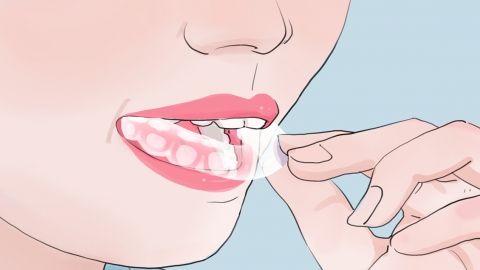
In adolescents, orthodontic treatment leverages rapid jawbone development, resulting in shorter treatment duration and faster recovery. After skeletal maturity, jaw growth ceases, and alveolar bone remodeling slows, leading to a more gradual tooth movement pace. Consequently, extended stabilization time is required to achieve optimal tooth alignment and occlusal adjustment. Most adults with stable periodontal health can successfully complete orthodontic treatment.
Clinically, the choice of orthodontic approach—such as fixed appliances or clear aligners—is tailored to individual conditions, including crowding, spacing, or occlusal abnormalities. Both modalities are suitable for adults. Regular follow-up visits during treatment allow for precise force adjustments. Patients with active periodontal inflammation must first undergo periodontal therapy before initiating orthodontic treatment to ensure baseline oral health.
Maintain meticulous oral hygiene daily, thoroughly cleaning food debris and plaque from around orthodontic appliances and between teeth. Adopt gentle chewing habits and minimize consumption of hard foods to preserve dental and periodontal stability throughout treatment.


