


Can teeth cleaning harm your teeth?

Properly performed professional teeth cleaning (scaling) does not damage teeth; it primarily removes dental calculus (tartar) and dental plaque to maintain periodontal health. However, improper technique or excessively frequent cleanings may cause enamel wear and tooth sensitivity. If prolonged cold- or heat-induced pain or persistent gingival bleeding occurs after scaling, prompt medical evaluation and periodontal re-examination are necessary.
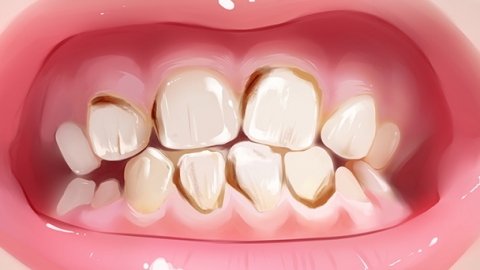
Scaling utilizes ultrasonic vibrations to disintegrate calculus adhering to tooth surfaces without cutting or abrading the hard enamel. Long-term calculus accumulation can compress the gums, leading to gingival inflammation, swelling, bleeding, and alveolar bone resorption. Regular scaling helps interrupt this pathological process. Some individuals notice increased interdental spacing after scaling—this is typically the true anatomical condition revealed once calculus is removed, rather than a consequence of the procedure itself.
Nonstandard clinics employing aggressive techniques or inappropriate power settings during ultrasonic scaling may scratch tooth surfaces and exacerbate dentin hypersensitivity. Individuals with healthy periodontal tissues should undergo scaling once annually, whereas those with compromised periodontal health should follow their dentist’s recommendations for increased frequency. Polishing following scaling smooths tooth surfaces, thereby delaying subsequent plaque and calculus re-accumulation.
Adopt consistent oral hygiene habits: brush teeth thoroughly twice daily and use dental floss to minimize soft plaque buildup. Limit consumption of deeply pigmented beverages to slow extrinsic staining and prolong the duration of oral cleanliness achieved post-scaling.


