


What Causes Recurrent Oral Ulcers?

Recurrent oral ulcers may be triggered by various factors, including nutritional deficiencies, local oral trauma, fluctuations in immune status, disruptions in mental health and sleep patterns, and the influence of systemic diseases. If ulcers persist for an extended period without healing or if the ulcerated area abnormally enlarges, prompt medical evaluation and treatment are recommended.
1. Nutritional Deficiencies: Deficiencies in B vitamins, iron, zinc, and other essential nutrients can impair the metabolism and repair of oral mucosa. Reduced mucosal defense capacity slows healing after injury, thereby increasing the likelihood of recurrent ulcers.
2. Local Oral Trauma: Sharp tooth remnants or rough dental appliances can repeatedly irritate and abrade the mucosa; consuming hard or excessively hot foods may also cause mucosal injury. Once damaged, the mucosa develops ulcers, and repeated stimulation at the same site leads to recurrent episodes.
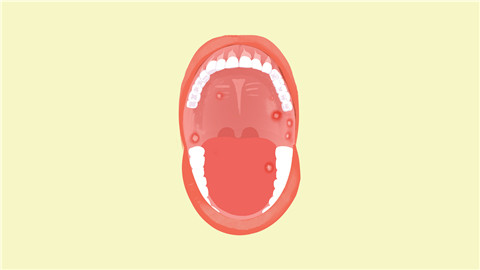
3. Immune Status Fluctuations: Alterations in immune function—such as disruption of immune cell homeostasis—can predispose the oral mucosa to autoimmune-mediated inflammation and tissue damage. During periods of diminished systemic immunity, the frequency of ulcer occurrence tends to increase.
4. Disruptions in Mental Health and Sleep Patterns: Chronic sleep deprivation, excessive physical fatigue, and prolonged emotional stress disturb normal metabolic rhythms. Consequent endocrine changes weaken the mucosa’s regenerative capacity, representing a significant contributing factor to frequent ulcer recurrence.
5. Influence of Systemic Diseases: Certain internal disorders may manifest externally as oral ulcers. These diseases interfere with overall metabolic function, resulting in persistent mucosal involvement and intermittent ulceration; localized interventions alone are often insufficient for complete resolution.
In daily life, consume ample fresh fruits and vegetables, monitor food temperature and texture, maintain regular sleep-wake cycles, minimize late-night activity, practice thorough oral hygiene, and reduce mucosal friction and irritation to lower the risk of recurrent oral ulcers.


