


How long does a mouth ulcer take to heal?

Common recurrent aphthous ulcers typically heal spontaneously within 7 to 10 days, with complete mucosal restoration and no residual scarring. Actual healing time may vary depending on ulcer size and the individual’s immune status. If an ulcer persists for more than two weeks without improvement—or if the lesion continues to enlarge—prompt medical evaluation and oral examination are recommended.
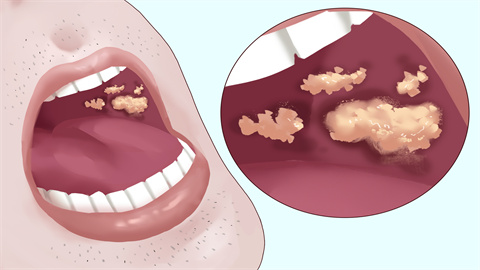
Minor aphthous ulcers are small in size and cause relatively mild pain; under normal immune conditions, they usually form crusts and heal gradually within approximately one week. Larger or deeper ulcers may require up to two weeks for full recovery. Irritation from spicy or abrasive foods, as well as repeated mechanical trauma to the lesion, can delay mucosal repair and prolong overall healing time.
During the active phase of ulceration, topical medications can be applied to alleviate pain, protect the damaged mucosa, and accelerate wound healing. Maintaining thorough oral hygiene—especially by minimizing food debris retention—helps prevent secondary infection. For patients experiencing frequent recurrences, underlying factors such as sleep patterns, nutritional status, and immune function should be assessed and optimized to reduce recurrence frequency.
Avoid consuming excessively hot, hard, or spicy foods, which may further irritate and traumatize the compromised mucosa. Ensure adequate rest and support immune regulation to promote faster mucosal repair and shorten the duration of ulcer-related discomfort.


