


What Should I Do About Mouth Ulcers?

Oral ulcers can be managed through adjustments to daily diet and sleep habits, local physical protection, topical medication, regulation of the body’s immune status, and treatment of localized oral lesions. If an ulcer persists for more than two weeks without healing or if symptoms such as continuous enlargement or bleeding of the lesion occur, prompt medical consultation and treatment are recommended.
1. Adjust daily diet and sleep habits: Increase intake of fresh fruits and vegetables to supply essential nutrients. Reduce consumption of spicy, excessively hot, or hard foods; ensure adequate sleep; and avoid excessive physical fatigue—these measures collectively support optimal conditions for oral mucosal repair.
2. Implement local physical protection: Promptly smooth sharp tooth cusps and replace rough or ill-fitting dentures. Eat slowly to prevent accidental biting of the oral mucosa. Maintain thorough oral hygiene to minimize food debris accumulation around the ulcer site, thereby lowering the risk of secondary infection.
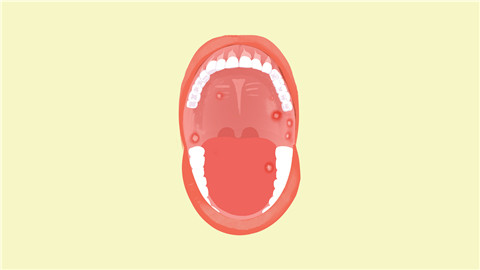
3. Topical pharmacological intervention: Apply appropriate topical agents directly onto the ulcerated area. These medications help alleviate pain, reduce local inflammation, protect damaged mucosa, accelerate mucosal tissue repair, and shorten overall ulcer healing time.
4. Regulate systemic immune status: Engage in appropriate physical activity based on individual health status to maintain stable physiological function. Avoid prolonged emotional stress and improve metabolic efficiency, thereby reducing the frequency of recurrent ulcers and minimizing repeated mucosal injury.
5. Address localized oral pathology: Treat residual roots or carious teeth promptly to eliminate sources of chronic mucosal irritation. By mitigating persistent intraoral stimulation, the underlying conditions favoring ulcer formation are reduced, preventing recurrent ulceration at the same site.
Choose lukewarm, soft, and easily chewable foods during meals; brush teeth gently, avoiding direct contact with the ulcer site. Maintain good oral hygiene, monitor changes in the ulcer, and adjust lifestyle habits according to your overall health status to minimize recurrence of oral ulcers.


