


What Are the Benefits of Dental Fluoride Application?

Fluoride application to teeth offers several benefits, including enhanced enamel resistance to dental caries, suppression of harmful oral bacteria, remineralization of early enamel demineralization, reduced dental sensitivity, and decreased incidence of pit-and-fissure caries. If persistent toothache or abnormal oral mucosal burning pain occurs, prompt medical evaluation and treatment are recommended.
1. Enhanced Enamel Resistance to Caries: Fluoride combines with components within the enamel structure to form a protective layer on the tooth surface. This barrier helps resist acid erosion and improves the tolerance of dental hard tissues to external challenges, thereby minimizing damage to the tooth surface.
2. Suppression of Harmful Oral Bacteria: Fluoride inhibits the growth and proliferation of cariogenic bacteria adhering to tooth surfaces. It interferes with bacterial acid production, thereby improving the oral environment and reducing the likelihood that bacterial plaque metabolites will damage dental hard tissues.
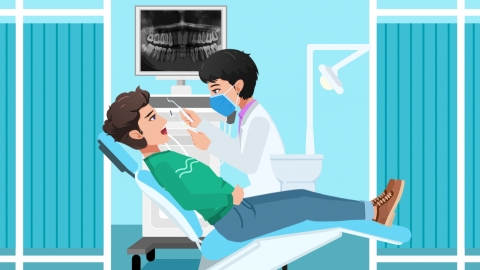
3. Remineralization of Early Enamel Demineralization: In the initial stage of enamel demineralization—characterized by white, chalky spots—fluoride actively participates in the remineralization process. It reverses minor early enamel damage and halts progression of the lesion into deeper layers of the tooth, preventing the formation of actual cavities.
4. Reduced Dental Sensitivity: When dentin becomes exposed due to gingival recession or enamel wear, it may become hypersensitive to external stimuli. Fluoride application seals microscopic channels on the tooth surface, alleviating sharp pain triggered by thermal (hot/cold), acidic, or sweet stimuli and enhancing overall dental tolerance.
5. Decreased Incidence of Pit-and-Fissure Caries: The varying depths of pits and fissures on occlusal tooth surfaces readily trap food debris. Fluoride can penetrate and coat these concealed areas, reinforcing vulnerable sites and lowering the risk of caries development in these regions.
Maintain daily oral hygiene by brushing thoroughly twice daily and limiting intake of candies and sugary beverages. Schedule fluoride applications according to age-specific guidelines. Avoid eating or drinking for a short period following fluoride treatment, and complement this with regular dental examinations to comprehensively safeguard the health of dental hard tissues.


