


Can severe periodontitis be cured?

Severe periodontitis cannot be completely cured; clinically, treatment focuses on controlling inflammation progression, preserving remaining healthy dental tissues, and preventing further disease deterioration. This condition causes irreversible alveolar bone loss and gingival recession. As teeth become increasingly mobile and recurrent periodontal abscesses develop, prompt medical consultation and comprehensive periodontal therapy are essential.
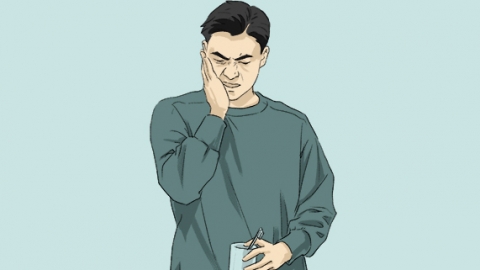
In severe periodontitis, extensive alveolar bone loss and significant gingival recession occur, accompanied by tooth mobility and reduced masticatory force. Once periodontal tissues are damaged, they cannot regenerate spontaneously. Persistent stimulation from abundant dental plaque and calculus within the oral cavity repeatedly triggers inflammation, progressively destroying the structural support of the teeth. Without timely intervention, progressive tooth loss ensues, severely compromising chewing function and overall oral health.
Clinical management begins with professional scaling and root planing to remove infectious debris from tooth surfaces and deep periodontal pockets, thereby resolving periodontal inflammation. Teeth exhibiting mild mobility may be retained through periodontal splinting, whereas severely mobile teeth with no long-term prognosis require prompt extraction. Subsequent regular follow-up visits are crucial for maintaining optimal oral hygiene, stabilizing periodontal status, and halting disease progression.
Maintain consistent oral hygiene by brushing thoroughly twice daily and using dental floss to clean interdental spaces, thereby preventing prolonged accumulation of food debris. Adopt a light, balanced diet and practice routine periodontal care to sustain a clean oral environment and preserve dental health.


