


Can a decayed tooth be extracted?

Decay-affected teeth can be extracted; however, extraction is not the first-line treatment. In most cases, dental caries can be managed by fillings or root canal therapy to preserve the natural tooth. Extraction is only considered when the tooth structure is severely compromised and no longer restorable.
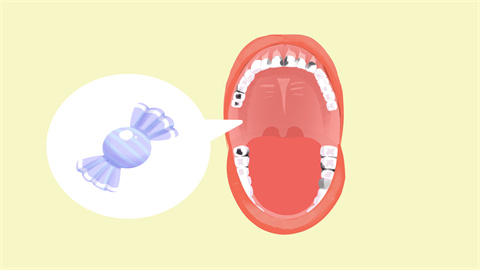
Dental caries is a destructive oral condition caused by bacterial erosion of the hard dental tissues. In mild cases, decay affects only the superficial enamel; after removing the demineralized and infected dentin, the cavity can be restored with materials such as composite resin or glass ionomer cement to restore both tooth morphology and occlusal function. When caries progresses into the pulp and triggers inflammation, root canal treatment can eliminate the infected tissue, followed by crown restoration to reinforce the remaining tooth structure.
Extraction becomes necessary for severely decayed teeth exhibiting extensive structural loss, severe root resorption, or root fracture—conditions that preclude conventional restorative options. Untreated, severely decayed teeth act as persistent reservoirs for bacteria, potentially leading to gingival inflammation, secondary caries in adjacent teeth, and alveolar bone resorption. Following extraction, prosthetic rehabilitation—such as dental implants or fixed bridges—can be performed based on individual oral conditions to restore masticatory function.
Maintain daily oral hygiene by brushing thoroughly twice daily and cleaning interdental spaces regularly to minimize plaque accumulation. Limit the frequency of sugary foods and refined carbohydrates, and schedule routine dental examinations to detect and treat early-stage caries promptly—thereby preventing extensive tooth destruction.


