


Can I rinse my mouth with normal saline after tooth extraction?

Immediately after tooth extraction, rinsing with normal saline is not recommended. Rinsing too early may dislodge the blood clot at the extraction site, increasing the risk of bleeding and dry socket. Only after 24 hours—once the blood clot has stabilized—may you gently rinse your mouth with normal saline.
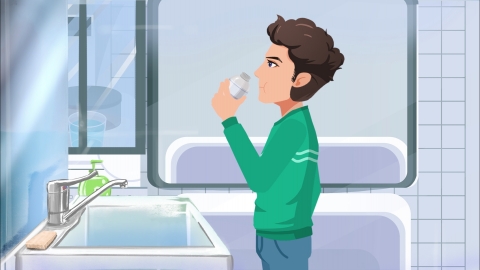
Post-extraction healing relies on the formation and stability of a blood clot to achieve hemostasis and initiate wound repair. In the immediate postoperative period, this clot remains loosely adherent. Vigorous rinsing generates water pressure that can dislodge the clot, compromising the protective barrier over the wound and potentially leading to bleeding, infection, and delayed healing of the alveolar socket. Within the first 24 hours after surgery, drink only lukewarm water and avoid any rinsing to preserve the integrity of the initial wound.
After waiting 24 hours, as gingival tissues begin to contract slightly, gentle mouth rinsing with normal saline may be performed to remove food debris and reduce bacterial proliferation in the oral cavity. When rinsing, maintain a gentle motion—do not swish vigorously. If signs of infection appear at the extraction site, in addition to saline rinsing, appropriate clinical local treatment should be administered. Avoid premature rinsing to prevent various postoperative complications.
During recovery, consume lukewarm, soft, and easily chewable foods, and avoid chewing on the side where the tooth was extracted. After meals, gently clean the oral surface to minimize food retention, thereby maintaining a clean environment around the alveolar wound and facilitating smooth soft-tissue healing.


