


Can you eat crab when you have a cold?

During a cold, it is not advisable to eat crab. Crab is a cold-natured, high-protein food that can exacerbate gastrointestinal strain; in some individuals, it may even trigger allergic reactions, thereby impeding recovery. Even in cases of mild colds with stable overall health, crab consumption should be minimized.
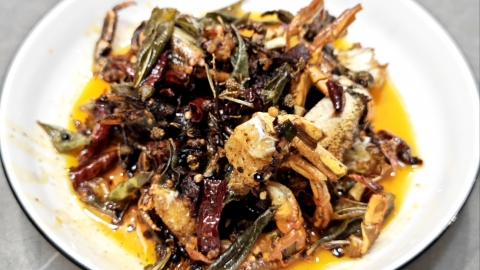
During a cold, digestive capacity declines and spleen-stomach function weakens. Due to its high protein content, crab places additional demands on digestion, potentially causing bloating or diarrhea. Its cold nature may further aggravate symptoms such as chills and phlegmy cough. Individuals with a known seafood allergy risk developing skin or respiratory allergic reactions upon consuming crab—compounding existing cold symptoms and complicating the clinical course.
Nutrition during a cold should emphasize light, easily digestible foods—such as congee or noodles—as primary choices. Most common colds resolve spontaneously through the body’s immune response; adequate hydration and appropriate symptomatic medications (e.g., for nasal congestion or fever) support recovery. Even if crab is regularly consumed when healthy, it should be strictly avoided during illness to minimize extra physiological stress and shorten disease duration.
During illness, ensure sufficient fluid intake, prioritize rest, and limit consumption of greasy, high-protein foods. Monitor all symptom changes closely and adopt a balanced, supportive diet to aid physiological recovery and accelerate resolution of the cold.


