


Can I eat cockles if I have a cough?

During a cough, it is advisable to avoid consuming cockles, as this type of shellfish is a high-protein seafood that may trigger allergic reactions, exacerbating throat itching and phlegm production. In individuals with weakened digestive function, cockles may also place additional strain on the gastrointestinal tract. If coughing persists for an extended period, or if chest tightness and shortness of breath occur, prompt medical evaluation is essential to determine the underlying cause.
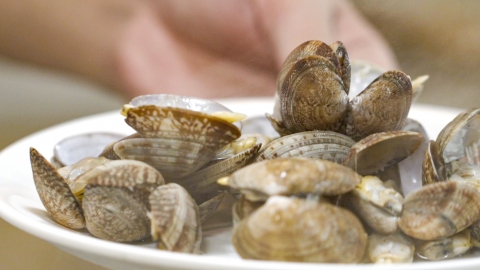
Cockles are a type of seafood, and some individuals may experience allergic reactions to seafood. Such allergies can irritate the respiratory mucosa, leading to recurrent or persistent throat itching and coughing. Moreover, cockles are commonly prepared with strong seasonings such as chili peppers, scallions, and ginger—ingredients whose pungency and spiciness can directly irritate the throat and worsen airway discomfort. During active coughing, both the respiratory and digestive systems tend to be in a relatively compromised state; therefore, dietary choices should remain light and simple.
In cases where coughing results from a respiratory infection, management primarily focuses on adequate rest, sufficient hydration, and appropriate use of cough-suppressant medications to alleviate symptoms. For coughs triggered by allergies, avoidance of seafood and implementation of anti-allergic interventions are crucial. Even if one normally tolerates cockles well, they should still be avoided during illness to minimize additional physiological stress and support healing of the airway mucosa.
Drink plenty of warm water and opt for bland, easily digestible foods such as congee (rice porridge) and steamed vegetables. Ensure good indoor ventilation and minimize exposure to cooking fumes and airborne dust to maintain optimal respiratory health and shorten overall recovery time from coughing.


