


Can patients with a cold eat beef balls?

During a cold, you may consume small amounts of lightly cooked beef meatballs. Beef meatballs are rich in protein and can help replenish the body’s energy expenditure. However, commercially prepared beef meatballs that are high in oil and salt may exacerbate gastrointestinal and respiratory burdens. If your cold persists without improvement—especially if accompanied by high fever, coughing, or wheezing—seek medical attention promptly for appropriate intervention.
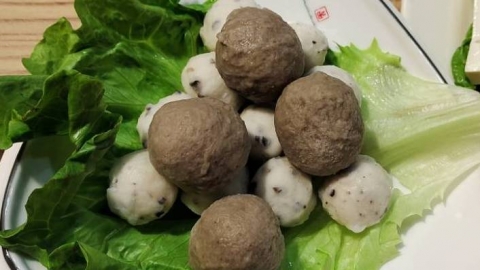
During the acute phase of a cold, metabolic demand increases while gastrointestinal digestive capacity declines. Lightly boiled beef meatballs have a soft texture; moderate consumption can supplement protein intake and sustain energy supply. Many commercially available beef meatballs contain excessive sodium and fat, and some include pungent seasonings. Overconsumption may irritate the throat and worsen symptoms such as excessive phlegm and sore throat.
When consuming beef meatballs, control portion size and pair them with vegetables and staple foods (e.g., rice or noodles). Rest and adequate hydration form the foundation of cold management; medications may be used to alleviate symptoms such as fever and nasal congestion. If gastrointestinal symptoms—including abdominal distension or nausea—develop, discontinue meat products and switch to easily digestible foods like congee or plain noodles to reduce gastrointestinal strain and support recovery.
Drink plenty of warm water and ensure good indoor ventilation. Limit intake of high-salt and high-fat foods, maintain sufficient sleep, and adopt a balanced diet to support physiological regulation and accelerate resolution of cold-related symptoms.


