


Can you eat rock sugar-stewed pear for cough?

Coughing individuals may consume moderate amounts of rock sugar-stewed pear, which helps moisten the throat and alleviate discomfort caused by dryness; however, it cannot replace standard medical treatment. Due to its high sugar content, it is not recommended for individuals with excessive phlegm or abnormal blood glucose levels. If cough persists for an extended period or is accompanied by chest pain and fever, prompt medical evaluation is essential to identify the underlying cause.
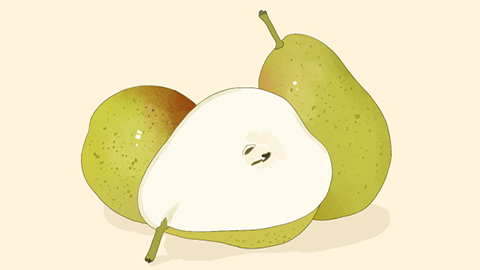
Rock sugar-stewed pear primarily soothes the pharyngeal mucosa through its water content and pear pulp, thereby relieving dry cough induced by throat dryness. Its high sugar content can stimulate salivary secretion, helping ease throat dryness and itching. However, this dietary remedy has no direct antimicrobial effect; thus, for coughs caused by infection, rock sugar-stewed pear alone cannot eradicate the underlying pathogenic focus and should never be used as a substitute for medication.
Excessive sugar intake in individuals with copious phlegm may further increase mucus production, worsening phlegm-related cough symptoms. For common coughs, priority should be given to adequate hydration and rest, supplemented by appropriate symptomatic medications. Dietary remedies serve only as adjunctive supportive measures. When cough results from bacterial or viral infection—or from allergic triggers—targeted interventions are required; overreliance on dietary therapy may delay proper diagnosis and treatment.
In daily life, maintain appropriate indoor humidity and avoid exposure to irritants such as cooking fumes and dust. Drink plenty of warm water and limit intake of sweets and high-salt foods to support respiratory mucosal health and facilitate gradual healing of cough-related irritation.


