


Can you eat fish fillets when you have a cold?

During a cold, you may consume small portions of lightly cooked fish fillets. Fish is rich in high-quality protein and is easily digested, helping to replenish essential nutrients for the body. However, heavily spiced or deep-fried fish fillets can irritate the throat and worsen symptoms such as coughing, phlegm production, and sore throat. If your cold persists without improvement—especially if accompanied by high fever and wheezing—seek prompt medical attention for appropriate diagnosis and treatment.
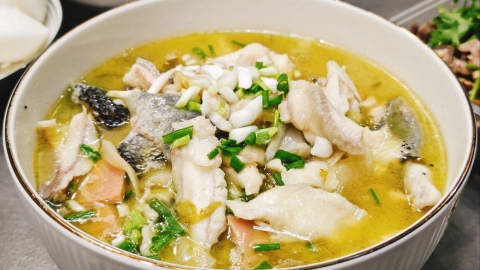
Fresh fish fillets have tender, delicate flesh and place minimal strain on the gastrointestinal tract. During infection, the body consumes substantial amounts of protein to support immune defense; thus, moderate consumption of fish can help meet increased nutritional demands. However, the cooking method is crucial: deep-frying, spicy-Sichuan-style preparations, or cured fish products contain excessive oil and pungent seasonings that may irritate the already inflamed and congested throat mucosa, exacerbating cough and discomfort.
Digestive function declines during a cold, particularly in the spleen and stomach. Therefore, limit portion sizes when eating fish fillets and prioritize gentle cooking methods such as steaming or boiling in water. For common colds, rest, adequate hydration, and over-the-counter medications to alleviate symptoms like fever and nasal congestion are usually sufficient. Individuals with known seafood allergies must completely avoid fish and instead obtain protein from alternative sources such as eggs or lean meats.
Drink plenty of warm water daily and ensure good indoor air circulation. Minimize intake of highly salted, spicy, or processed foods, and prioritize sufficient sleep to support overall physiological regulation—thereby facilitating gradual resolution of cold-related symptoms.


